What happened
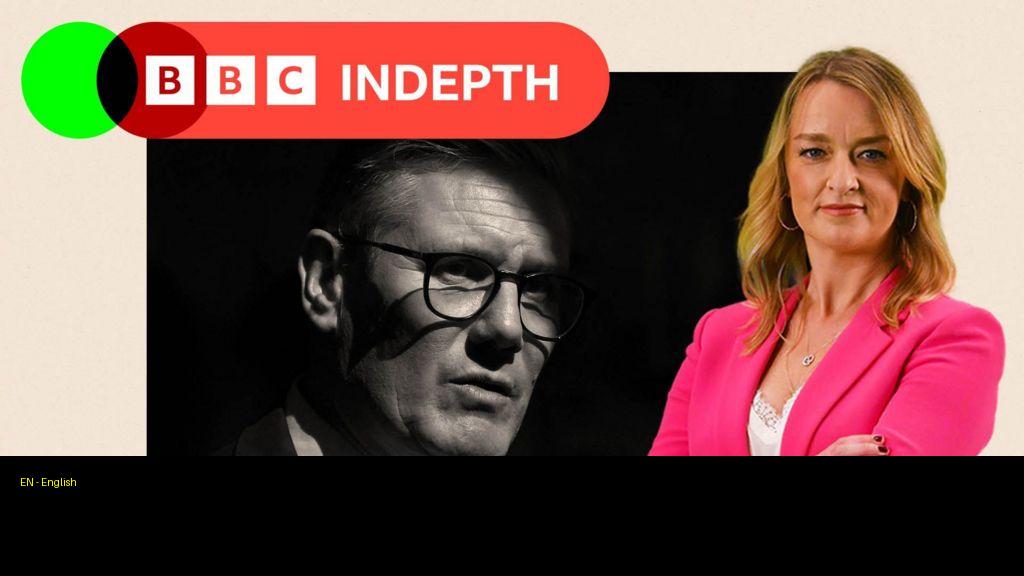
Labour Party leader Keir Starmer is grappling with a dual crisis as conflict unfolds overseas while his party struggles with internal divisions at home. Amid rising geopolitical tensions stemming from the war in Ukraine, Starmer faces pressure to articulate a clear foreign policy stance. Simultaneously, Labour is experiencing factional disputes over leadership direction, policy priorities, and party unity, complicating efforts to present a cohesive front ahead of forthcoming elections.
Why it matters
The Labour Party’s internal discord undermines its effectiveness as the main opposition force in the UK, potentially weakening public confidence and electoral prospects. As global instability intensifies, voters look to opposition leaders for steady, decisive guidance on international affairs and national security. Labour’s inability to unify risks marginalizing its voice on critical foreign policy debates, while domestic leadership fractures threaten to distract from urgent issues at home and abroad.
Background
Since taking leadership in 2020, Keir Starmer has sought to reposition Labour as a credible, pragmatic alternative to the Conservative government. This included attempts to distance the party from the divisive legacy of Jeremy Corbyn and appeal to centrist voters. However, longstanding ideological rifts remain within the party, particularly between its moderate and left-wing factions. Meanwhile, the war in Ukraine, which erupted in early 2022 following Russia’s invasion, has dramatically reshaped the international landscape, compelling UK political parties to clarify their positions on defense, aid, and diplomacy.
Questions and Answers
Q: How are Labour’s internal divisions affecting its policy on the war overseas?
A: Internal party disagreements have complicated Labour’s ability to present a unified stance on the Ukraine conflict, with calls for stronger support from some members contrasted by caution from others worried about escalation.
Q: What challenges does Starmer face within his own party?
A: Starmer contends with ideological tensions between moderates and left-wing members, disputes over party strategy, and criticism over leadership style, all of which hinder cohesive messaging and campaign focus.
Q: Could Labour’s struggles impact the next UK general election?
A: Yes, ongoing internal conflicts could erode voter confidence in Labour’s readiness to govern, potentially diminishing its chances of electoral success against the ruling Conservatives.
Q: How is the public responding to Labour’s dual challenges?
A: Public opinion polls suggest mixed reactions, with some voters appreciating Starmer’s focus on foreign policy, while others express frustration over the party’s visible infighting and lack of clear direction.
Source: https://www.bbc.com/news/articles/cwyxy54pv9po?at_medium=RSS&at_campaign=rss