What happened
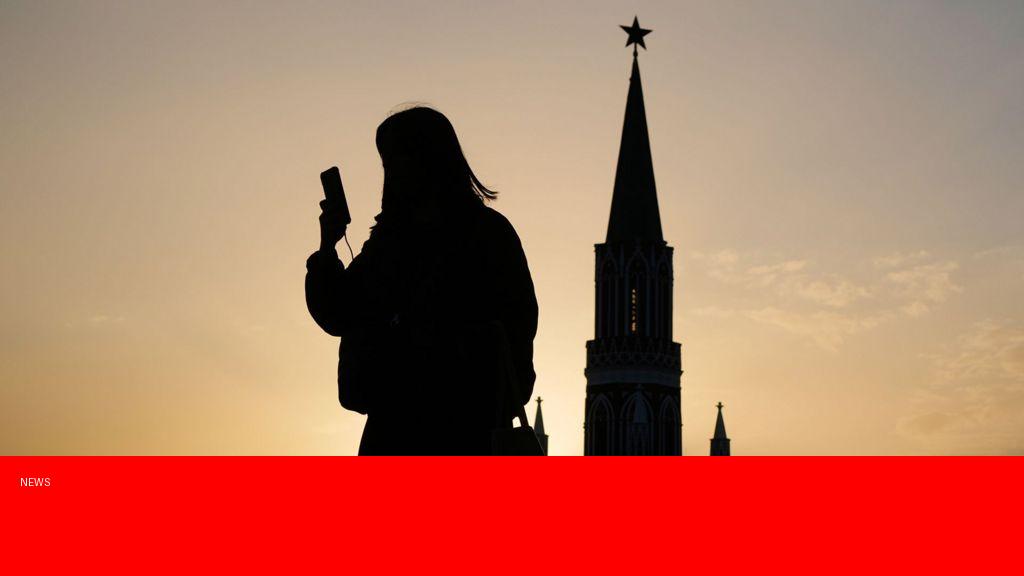
Steve Rosenberg, the BBC’s Moscow correspondent, has reported that the Kremlin is increasingly tightening its control over the internet in Russia. This move includes stricter regulation, increased censorship, and measures to restrict access to foreign websites and social media platforms. These actions are part of a broader government campaign to monitor and influence online discourse, which has led to growing frustration and discontent among the Russian public, especially among younger and urban populations who rely heavily on digital communication.
Why it matters
The Kremlin’s tighter grip on the internet has significant implications both domestically and internationally. Domestically, it undermines freedom of expression and limits access to independent information, which can weaken civil society and stifle dissent. It fuels public frustration, potentially leading to increased social unrest or resistance. On the international stage, the move complicates efforts to engage with Russian citizens and challenges the free flow of information, impacting diplomatic relations and efforts to counter misinformation originating from Russia.
Background
Since Vladimir Putin returned to the presidency in 2012, the Russian government has systematically intensified its control over internet infrastructure and content. Key legislative changes have empowered authorities to block websites, surveil online activity, and penalize dissenting voices. The conflict with Ukraine, beginning in 2014 and escalating dramatically in 2022, has accelerated these measures as the government seeks to control narratives and suppress opposition. Despite widespread use of VPNs and other circumvention tools, these policies substantially restrict the digital environment in Russia.
Questions and Answers
Q: What specific measures has the Kremlin implemented to tighten control over the internet?
A: The Kremlin has passed laws that increase censorship, require data localization, mandate social media platforms remove content deemed undesirable, block independent news sites, and limit the use of encryption tools. Internet service providers are compelled to comply with these regulations under threat of fines or shutdown.
Q: How is Russian society reacting to these internet restrictions?
A: Many Russians, especially younger internet users, express frustration and dissatisfaction. Some turn to VPNs or alternative platforms to bypass censorship, while others feel increasingly disconnected from global conversations, fueling skepticism towards state media.
Q: Could these restrictions on internet freedom lead to political instability in Russia?
A: While the Kremlin’s measures aim to maintain control and reduce dissent, the growing public discontent could potentially lead to unrest or increased opposition in the long term, particularly if economic and social pressures intensify alongside internet restrictions.
Q: How does this tightening internet control affect international relations?
A: It hinders efforts by foreign governments and media to communicate with the Russian public and counteract propaganda. This digital isolation deepens the information divide, complicating diplomatic dialogue and efforts to promote transparency and human rights in Russia.
Source: https://www.bbc.com/news/articles/cr510de17jlo?at_medium=RSS&at_campaign=rss