What happened
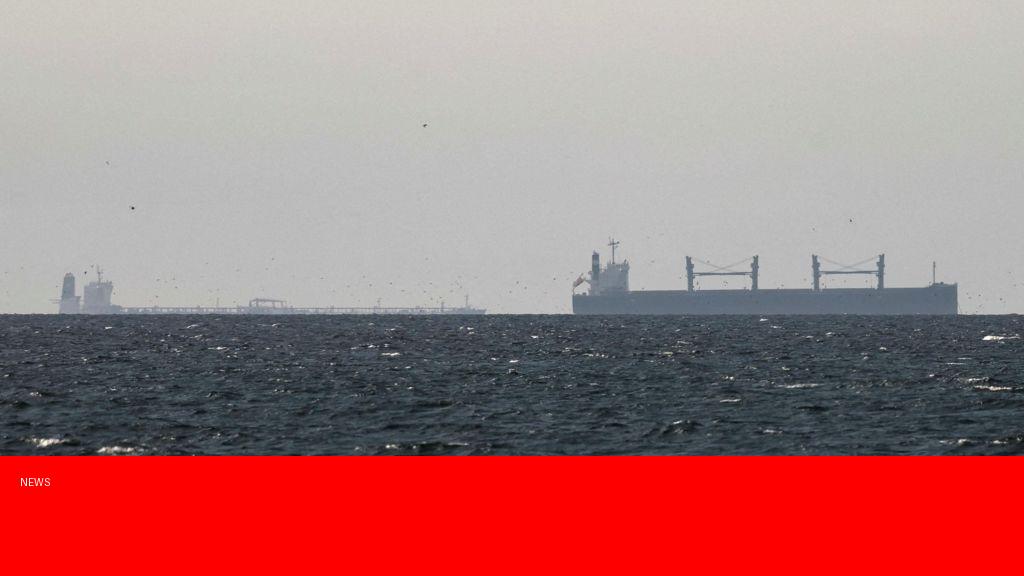
The Strait of Hormuz, a critical waterway for global oil shipments, has been closed again, according to Iranian officials. This development comes amid a series of attacks on ships in the region, escalating tensions and disrupting maritime traffic. Iran announced the closure following incidents involving several commercial vessels that were reportedly targeted, although details about the perpetrators remain unclear.
Why it matters
The Strait of Hormuz is a strategic chokepoint through which about one-fifth of the world’s oil passes daily. Its closure poses significant risks to global energy supplies and could contribute to rising fuel prices worldwide. Additionally, this disruption threatens international shipping routes and exacerbates tensions in an already volatile region, potentially drawing in global powers with vested interests in maintaining stability and free navigation.
Background
The Strait of Hormuz, located between the Persian Gulf and the Gulf of Oman, is one of the world’s most important maritime passages for oil exports. Iran has previously threatened to close the strait in response to sanctions and military pressure, raising fears of conflict. In recent months, the region has witnessed a series of maritime incidents including attacks on tankers and naval confrontations, reflecting the ongoing geopolitical struggle between Iran and Western nations, particularly the United States.
Questions and Answers
Q: Why did Iran close the Strait of Hormuz?
A: Iran stated the closure was due to recent attacks on ships in the area, which it views as threats to its security and sovereignty.
Q: How long will the closure last?
A: There has been no official announcement regarding the duration of the closure.
Q: What impact does this have on global oil markets?
A: The closure could lead to disruptions in oil supply, driving up global oil prices and creating volatility in energy markets.
Q: Have any countries responded to this closure?
A: International responses are forthcoming, but many nations have expressed concern over the potential threat to free navigation through the strait.
Q: What measures are being taken to ensure the safety of maritime traffic?
A: Regional navies and international coalitions are likely to increase patrols and security operations to protect commercial vessels, though details have not yet been disclosed.
Source: https://www.bbc.com/news/articles/cx2631x6nelo?at_medium=RSS&at_campaign=rss