What happened
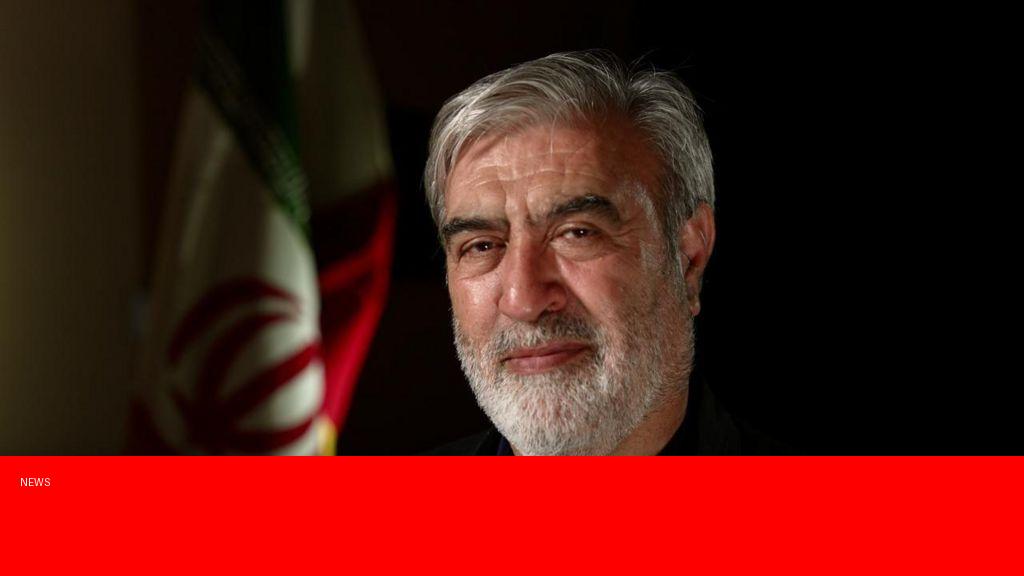
A senior Iranian politician has reiterated Tehran’s firm stance that it will never relinquish control over the Strait of Hormuz, a vital waterway for global oil shipments. Speaking to the BBC, the official emphasized Iran’s resolve to maintain sovereignty and authority over this strategic maritime chokepoint. The statement comes amid heightened regional tensions and ongoing international disputes concerning navigation rights and security in the area.
Why it matters
The Strait of Hormuz is one of the world’s most critical oil transit routes, with approximately 20% of global petroleum passing through it daily. Iran’s insistence on retaining control signals potential risks to global energy markets, raising concerns among oil-importing countries about supply stability. Additionally, Tehran’s position affects geopolitical dynamics, influencing diplomatic relations, regional security arrangements, and the operational freedom of naval forces in the Gulf.
Background
The Strait of Hormuz, located between Oman and Iran, connects the Persian Gulf with the Gulf of Oman and the Arabian Sea. Due to its narrow width and strategic location, it serves as a vital passage for crude oil exports from Gulf countries. Over the years, Iran has occasionally threatened to close or restrict passage through the Strait in response to international sanctions or military activities. The waterway has been a focal point of tension between Iran, the United States, and their allies, particularly regarding freedom of navigation and Iran’s nuclear program.
Questions and Answers
Q: What specific reasons did the Iranian politician give for not ceding control of the Strait of Hormuz?
A: The politician cited national sovereignty and the strategic importance of the Strait for Iran’s security and regional influence as primary reasons for maintaining control.
Q: How has the international community responded to Iran’s posture on the Strait of Hormuz?
A: Many countries, especially those dependent on Gulf oil, have expressed concern and called for freedom of navigation, while some have increased naval patrols to ensure uninterrupted transit.
Q: Are there any ongoing diplomatic efforts to address tensions around the Strait?
A: Various international actors continue to engage in dialogue aimed at reducing tensions in the Gulf, but progress remains slow amidst competing regional interests and security concerns.
Source: https://www.bbc.com/news/articles/cvg4jnn131qo?at_medium=RSS&at_campaign=rss