What happened
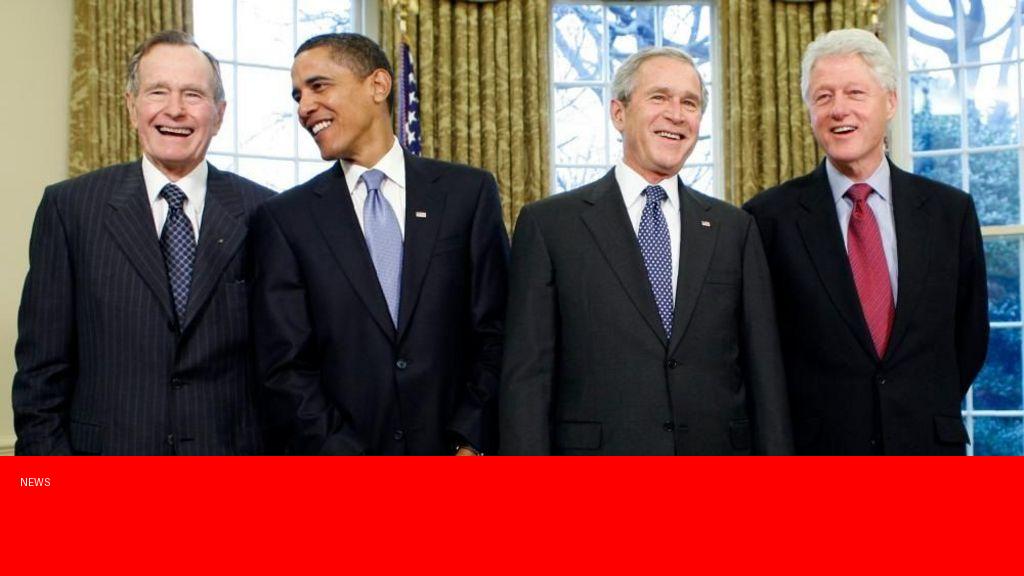
Former President Donald Trump has asserted that previous U.S. presidents frequently disregarded the War Powers Resolution, a federal law intended to check the president’s authority to commit American forces to armed conflict without congressional approval. Trump’s claim comes amid ongoing debates over presidential war powers, with his statement reigniting discussions on how former administrations have adhered to or bypassed the law.
Why it matters
The War Powers Resolution, passed in 1973, was designed to limit the executive branch’s unilateral military actions and ensure Congress plays a key role in decisions to deploy troops. Trump’s remarks underscore the recurring tensions between the presidency and Congress over military engagement decisions. Understanding the degree to which past presidents have complied with or ignored the law is critical for evaluating the balance of power in U.S. foreign policy and national security matters.
Background
The War Powers Resolution was enacted in response to concerns about the Vietnam War and attempts by the legislative branch to reclaim authority over war declarations. It requires presidents to notify Congress within 48 hours of deploying armed forces and mandates withdrawal of forces within 60 days unless Congress grants an extension or declares war. Despite the law, multiple presidents, including Nixon, Reagan, Clinton, George W. Bush, and Obama, have initiated military actions without explicit congressional approval, leading to ongoing debate over its effectiveness and constitutional validity.
Questions and Answers
Q: What exactly did Trump say about other presidents and the War Powers Resolution?
A: Trump claimed that former U.S. presidents have routinely flouted the War Powers Resolution, using military force without fully adhering to the law’s requirements for congressional notification and approval.
Q: Have U.S. presidents often violated the War Powers Resolution?
A: Yes, many presidents have engaged in military operations without explicit congressional authorization, citing the resolution’s constitutionality as ambiguous or overridden by their executive authority.
Q: Why is there disagreement over the War Powers Resolution’s use?
A: The executive branch often views the law as an infringement on presidential powers as commander-in-chief, while Congress sees it as necessary oversight to prevent unauthorized wars. Courts have generally avoided ruling decisively on its constitutionality.
Q: What are some examples of presidents bypassing the War Powers Resolution?
A: Examples include Nixon’s secret bombings during the Vietnam War era, Reagan’s invasion of Grenada, Clinton’s actions in Kosovo, and Obama’s military interventions in Libya and Syria, often conducted without formal congressional declarations of war.
Q: Does Trump’s claim change the legal status of war powers?
A: No, Trump’s statements do not alter the law but highlight the ongoing dispute and mixed history surrounding presidential adherence to the War Powers Resolution.
Source: https://www.bbc.com/news/articles/c794zlx5lx8o?at_medium=RSS&at_campaign=rss