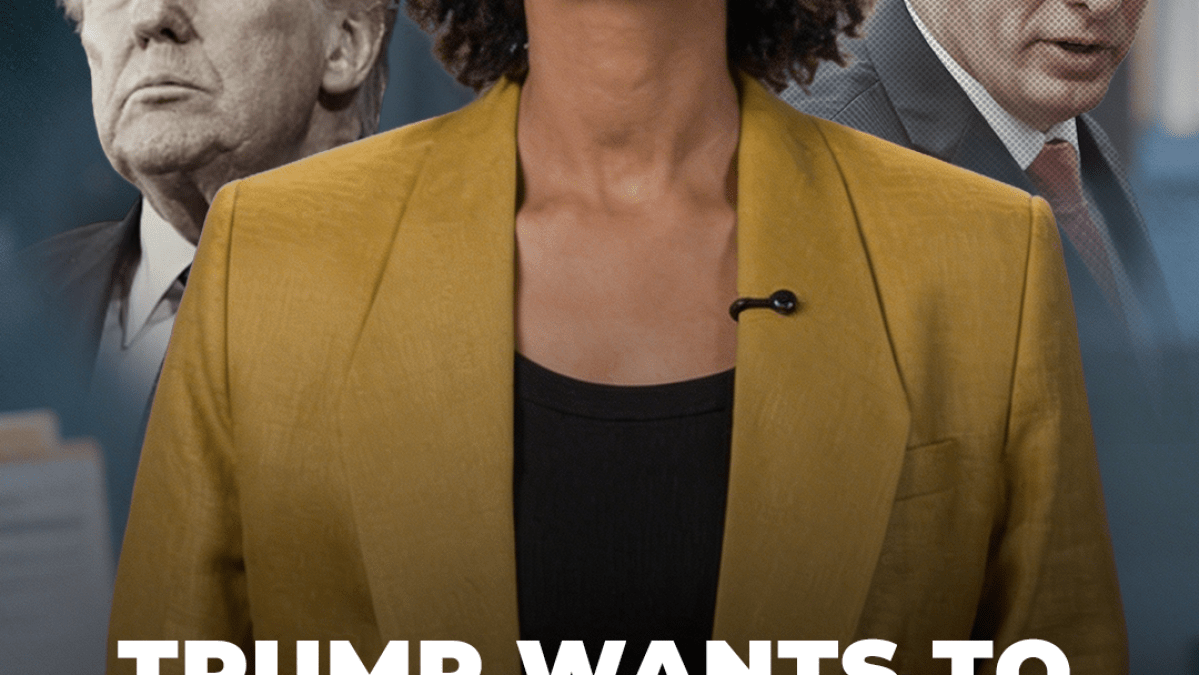
**Trump Calls for Change in Cuba’s Leadership, Renewing Debate Over U.S. Policy**
Former U.S. President Donald Trump has reignited controversy over American policy toward Cuba after signaling support for removing Cuban President Miguel Díaz-Canel from power, a stance that is likely to sharpen tensions between Washington and Havana and stir debate among U.S. allies in Latin America.
The remarks, made in the context of Trump’s broader hardline foreign policy messaging, were interpreted by critics and Cuban officials as an endorsement of regime change on the island. While Trump has long favored a confrontational approach to Cuba’s communist government, any suggestion of overthrowing a foreign leader is politically explosive and carries serious diplomatic implications.
## What happened
Trump, who is seeking a return to the White House, made comments indicating that Cuba’s current leadership should no longer remain in power. Although the exact wording and policy specifics remain subject to interpretation, the message was widely understood as support for ousting Díaz-Canel and dismantling the island’s ruling system.
Cuban authorities and government-aligned media condemned the remarks, portraying them as another example of U.S. interference in Cuba’s internal affairs. Political analysts said the comments fit within Trump’s longstanding rhetoric favoring maximum pressure on left-wing governments in the Western Hemisphere.
There has been no indication of any immediate U.S. government action, and Trump, as a candidate and former president, is not currently in a position to directly change policy. Still, his statements have drawn attention because of his influence within the Republican Party and the possibility that his approach could shape future U.S. policy if he returns to office.
## Why it matters
Trump’s comments matter for several reasons.
First, Cuba remains a symbolically and strategically important issue in U.S. politics, especially in Florida, where Cuban American voters have long played a key role in national elections. Tough rhetoric on Havana often resonates with voters who oppose the communist government.
Second, even rhetorical support for regime change risks inflaming already strained relations between the United States and Cuba. Havana has historically pointed to U.S. hostility as justification for domestic repression and tighter political control.
Third, the comments could unsettle regional diplomacy. Many Latin American governments, even those critical of Cuba’s human rights record, oppose overt U.S. interventionism. Any renewed talk of overthrowing a government in the region is likely to revive memories of Cold War-era interventions.
Finally, the issue raises broader concerns about international law and democratic norms. Calls to remove a foreign head of state, especially from outside the country, can prompt fears of escalation, sanctions, proxy pressure, or broader instability.
## Background
U.S.-Cuba relations have been shaped for more than six decades by mistrust, sanctions and ideological conflict.
After Fidel Castro’s 1959 revolution, Cuba aligned itself with the Soviet Union, prompting Washington to impose an economic embargo and support efforts to isolate the island. One of the most notorious episodes was the failed 1961 Bay of Pigs invasion, in which Cuban exiles backed by the U.S. tried unsuccessfully to overthrow Castro.
Relations remained largely frozen for decades, though there was a brief thaw under President Barack Obama, who moved to restore diplomatic ties and ease some travel and trade restrictions. Trump reversed much of that opening during his presidency, tightening sanctions and reimposing a more aggressive stance toward Havana.
Cuba has faced severe economic hardship in recent years, driven by a combination of U.S. sanctions, structural inefficiencies, inflation, power shortages and the lingering effects of the pandemic. Anti-government protests in 2021 challenged the Cuban leadership in an unprecedented way, prompting a harsh state crackdown and renewed international scrutiny over human rights on the island.
Miguel Díaz-Canel, who succeeded Raúl Castro as president, has defended the one-party socialist system while confronting growing public frustration over shortages, blackouts and declining living standards.
## Reactions and implications
Cuban officials are likely to use Trump’s comments to reinforce their long-standing narrative that the United States seeks to dominate or destabilize the island. That argument has often been used domestically to rally nationalist sentiment and discredit dissent.
In the United States, Trump’s supporters may view his language as a sign of strength, while opponents are likely to argue that such rhetoric is reckless and undermines diplomacy. Human rights advocates may find themselves divided: some strongly oppose the Cuban government but are wary of language that suggests external overthrow rather than internal democratic change.
Analysts say the practical impact of Trump’s remarks will depend on whether they evolve into a detailed policy platform. Measures such as expanded sanctions, tighter travel restrictions, support for dissidents, or efforts to increase international pressure on Havana are all more plausible than any direct attempt to forcibly remove the Cuban president.
## Q&A
**Q: Did Trump announce an official plan to remove Cuba’s president?**
**A:** No official government plan has been announced. Trump’s remarks were political statements, not a formal U.S. policy action.
**Q: Who is Cuba’s president?**
**A:** Miguel Díaz-Canel is the president of Cuba and the top civilian leader of the country’s communist government.
**Q: Why is this controversial?**
**A:** Any suggestion of overthrowing a foreign leader raises serious concerns about sovereignty, international law and regional stability, especially given the history of U.S. intervention in Latin America.
**Q: Could Trump act on this now?**
**A:** No. As a former president and current candidate, Trump does not control U.S. foreign policy. However, his statements could indicate what he might pursue if re-elected.
**Q: How might Cuba respond?**
**A:** Cuban officials are likely to condemn the remarks, use them to accuse Washington of aggression and potentially tighten their domestic political messaging.
**Q: What happens next?**
**A:** The immediate effect is likely to be political and rhetorical. The longer-term significance will depend on whether the comments influence the U.S. election debate or future policy toward Cuba.