What happened
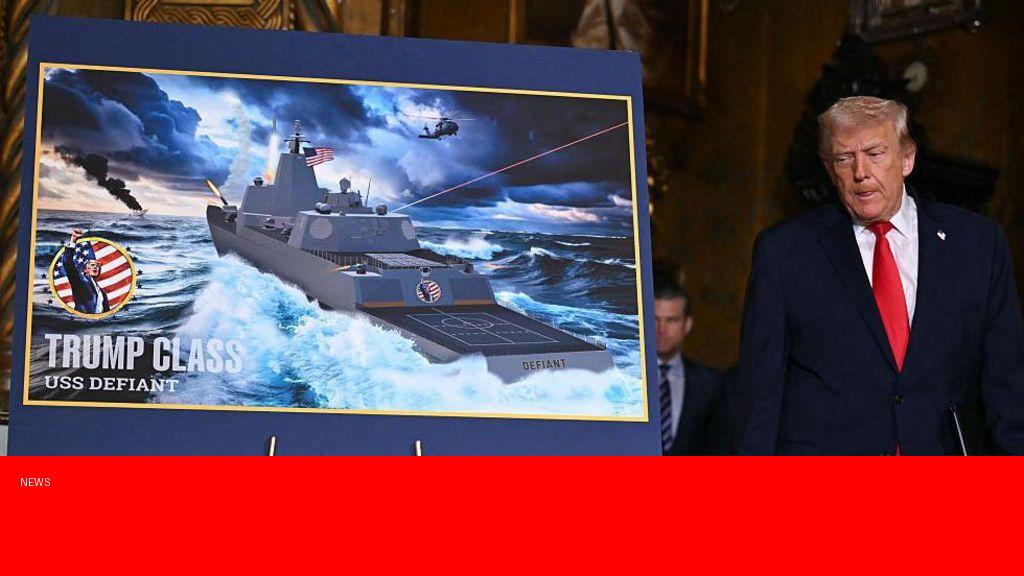
Former President Donald Trump has proposed a $1.5 trillion increase in U.S. defense spending while simultaneously advocating for significant cuts in domestic government programs. This plan, unveiled during his recent policy outline, seeks to bolster military capabilities as part of a broader strategy to strengthen national security, while reducing expenditures on social services, education, and other non-defense federal initiatives.
Why it matters
Trump’s proposal signals a sharp shift in federal budget priorities, emphasizing military strength over domestic welfare programs. If implemented, this could lead to expanded defense projects, new weapons acquisitions, and increased personnel funding. However, the suggested domestic spending cuts could affect millions who rely on government-funded health, education, and social services, sparking debates over the trade-offs between national security and social welfare in U.S. fiscal policy.
Background
Defense spending in the United States has long been a contentious topic, with budget debates often reflecting differing priorities between security and social welfare. Previous administrations have balanced these priorities differently, but Trump’s call for a $1.5 trillion boost in defense outlays represents one of the most aggressive military spending increases in recent history. His position aligns with his broader political platform of “America First,” emphasizing strength and preparedness, while promoting fiscal conservatism through cuts to domestic programs.
Questions and Answers
Q: How does Trump plan to fund the $1.5 trillion increase in defense spending?
A: Trump proposes offsetting the military budget increase by making substantial cuts to domestic government programs, aiming to reallocate federal funds toward defense without dramatically increasing overall government spending.
Q: What domestic programs are likely to face cuts under this plan?
A: While specific programs have not been fully detailed, areas such as education, healthcare, social services, and environmental initiatives are expected to encounter reduced funding based on Trump’s budget priorities.
Q: How have lawmakers reacted to the proposal?
A: Reactions have been mixed; some defense hawks support the increased military investment, while critics argue that slashing domestic programs could harm vulnerable populations and negatively impact long-term economic growth.
Q: Is this plan expected to become law?
A: As a policy proposal from a former president, the plan requires approval from Congress and faces an uncertain legislative future, given divided opinions on budget priorities and political dynamics in Washington.
Source: https://www.bbc.com/news/articles/crr1q4kjvn2o?at_medium=RSS&at_campaign=rss