What happened
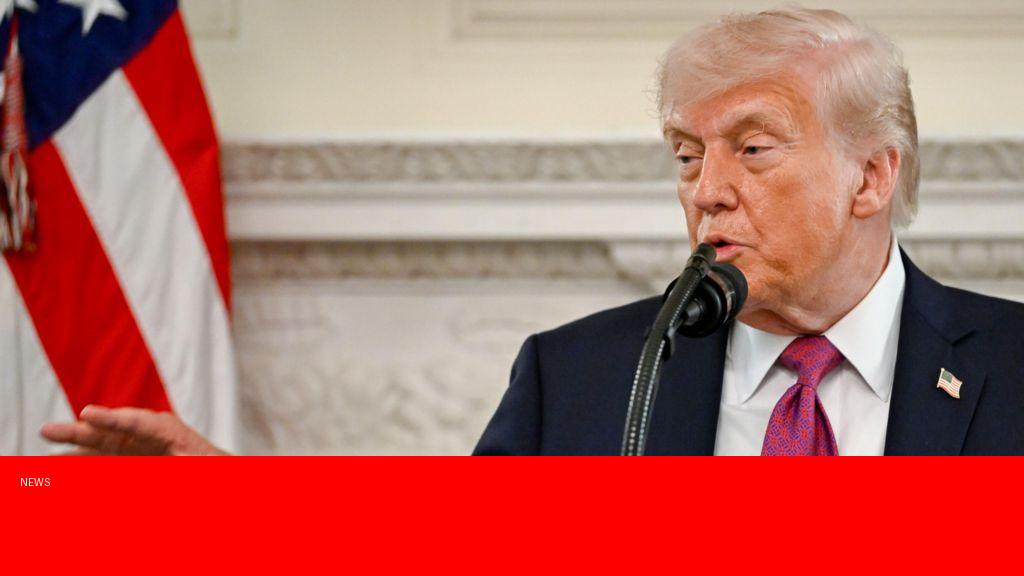
Former President Donald Trump engaged in intense diplomatic maneuvers to delay the collapse of the Iran nuclear deal, buying crucial time for negotiations. After a hectic day filled with discussions involving U.S. officials and international partners, Trump’s administration succeeded in postponing immediate punitive measures against Iran, allowing talks over the agreement to continue.
Why it matters
The Iran nuclear deal, formally known as the Joint Comprehensive Plan of Action (JCPOA), aims to prevent Iran from developing nuclear weapons in exchange for lifting economic sanctions. Trump’s intervention to extend negotiations is significant because it tempers rising tensions in the Middle East, averts potential military conflict, and maintains an avenue for diplomatic resolution. It also impacts global oil markets and international relations, especially between the U.S., Iran, and European allies.
Background
The JCPOA was originally signed in 2015 under the Obama administration, but Trump withdrew the U.S. from the agreement in 2018, reinstating tough sanctions on Iran. Since then, Tehran has gradually breached the deal’s limits on its nuclear program. Recent escalations led to calls within the U.S. government and allied nations to re-engage diplomatically. The recent frantic diplomatic activity reflects efforts to prevent Iran’s nuclear ambitions from spiraling out of control while avoiding direct conflict.
Questions and Answers
Q: What specific steps did Trump take to buy more time for the Iran deal?
A: Trump coordinated with his national security team and international partners to delay new sanctions and offered a temporary framework for renewed talks, signaling a softer stance to encourage continued negotiations.
Q: How have Iran and its allies responded to the extended diplomatic efforts?
A: Iran has expressed cautious optimism toward the delay but remains firm on demanding relief from sanctions before making further concessions. European allies have generally welcomed the extension as a positive development.
Q: What are the main challenges facing the Iran nuclear deal negotiations now?
A: Key challenges include mutual distrust, Iran’s nuclear advancements beyond original limits, disagreements over sanction relief, and the broader geopolitical tensions between the U.S. and Iran.
Q: Could this delay lead to a permanent resolution of the nuclear issue?
A: While the delay creates an opportunity for dialogue, lasting resolution depends on both sides’ willingness to compromise on core issues, as well as stable political conditions in the U.S. and Iran.
Source: https://www.bbc.com/news/articles/cvg4yr90jr2o?at_medium=RSS&at_campaign=rss