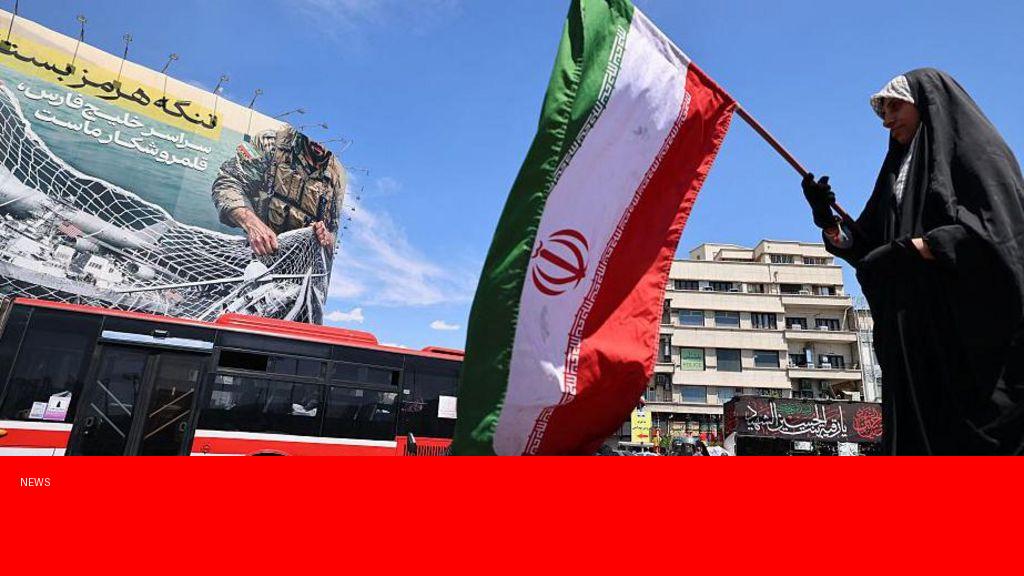
What happened
Former President Donald Trump has recently threatened to block the Strait of Hormuz, a strategic maritime chokepoint, as part of his ongoing confrontational stance against Iran. This declaration escalates tensions in an already volatile region, raising the risk of military conflict and disruption to global oil supplies. The threat came amid renewed disputes over Iran’s nuclear program and increased U.S. sanctions, signaling a hardening approach that could provoke retaliatory measures from Tehran.
Why it matters
The Strait of Hormuz is a critical passage for approximately 20% of the world’s petroleum shipments, making its security vital to global energy markets. Any blockade or conflict in this area could lead to significant spikes in oil prices and destabilize the global economy. Additionally, heightened tensions increase the risk of military clashes between Iran and the U.S. or its allies, threatening regional stability in the Middle East. Trump’s aggressive rhetoric underscores the fragile state of diplomacy and complicates efforts to find peaceful solutions, leaving longstanding issues unresolved.
Background
The Strait of Hormuz, located between Oman and Iran, is one of the world’s most strategic waterways for oil transportation. Over the past decade, the region has seen numerous incidents involving U.S. and Iranian naval forces, reflecting deep-seated hostilities. During his presidency, Trump withdrew the United States from the Iran nuclear deal and imposed stringent sanctions, heightening tensions. Despite various diplomatic attempts, the relationship between Washington and Tehran remains fraught, with the blockade threat representing a continuation of a hostile policy rather than a new development.
Questions and Answers
Q: What does blocking the Strait of Hormuz mean?
A: Blocking the Strait of Hormuz means obstructing a crucial maritime passage used for transporting a significant portion of the world’s oil. Such an action would disrupt global energy supplies and could provoke military conflict.
Q: Why is the Strait of Hormuz so important?
A: The strait connects the Persian Gulf to the Gulf of Oman and the Arabian Sea, serving as a key route for about 20% of global petroleum shipments, making it essential for international energy security.
Q: Is this threat likely to lead to immediate action?
A: While the threat raises concerns, it remains largely rhetorical at this stage. However, any escalation carries considerable risks, and the situation demands close monitoring by international actors.
Q: How has Iran responded to such threats in the past?
A: Iran has typically condemned U.S. threats and occasionally conducted military maneuvers in the region to demonstrate its capabilities, warning that any blockade would be met with strong resistance.
Q: What are the broader implications for U.S.-Iran relations?
A: The blockade threat exemplifies the continuing impasse and mutual distrust between the two countries, complicating diplomatic efforts and increasing the potential for miscalculation or unintended escalation.
Source: https://www.bbc.com/news/articles/c8dl5mly2rzo?at_medium=RSS&at_campaign=rss