What happened
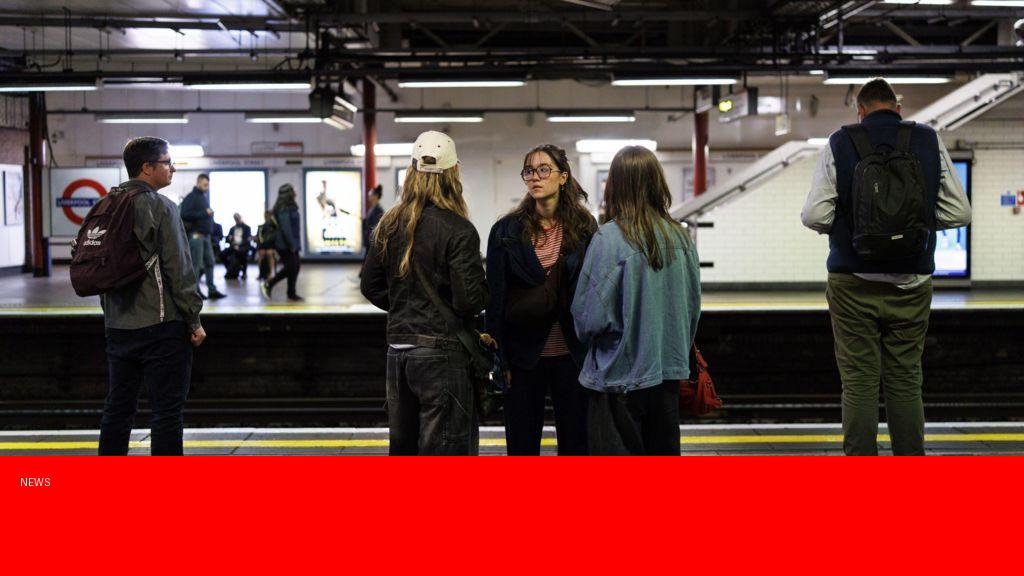
Thousands of London Underground passengers faced major disruptions today as a Tube strike led to widespread delays and cancellations across multiple lines. The strike, organized by the Rail, Maritime and Transport (RMT) union, involved thousands of workers protesting over pay and working conditions. Key routes such as the Central, Piccadilly, and Northern lines experienced significant service reductions, forcing commuters to seek alternative transport options.
Why it matters
The strike brought London’s public transport network to a standstill in many areas, impacting thousands of daily commuters, tourists, and workers. The resulting delays not only caused frustration but also affected businesses and public services across the capital. With many offices returning to in-person work, the disruption highlighted ongoing tensions between transport unions and management, raising concerns about future industrial action and its broader economic consequences.
Background
The RMT union called the strike after months of failed negotiations with Transport for London (TfL) over pay increases and job security amid budget constraints and rising operational costs. This labor dispute follows a series of strikes across UK transport services this year, reflecting growing unrest in public sector roles due to inflation and cost-of-living pressures. Previous talks had stalled, leading to the decision to take industrial action with further strikes potentially scheduled if agreements are not reached.
Questions and Answers
Q: What caused today’s Tube strike?
A: The strike was called by the RMT union in response to unresolved disputes over pay and working conditions with Transport for London.
Q: How long will the strike last?
A: Today’s strike is scheduled as a one-day industrial action, but further strikes may be announced if negotiations do not progress.
Q: Which Tube lines were most affected?
A: The Central, Piccadilly, and Northern lines saw the greatest service disruptions, with many trains canceled or delayed.
Q: What alternatives did commuters have?
A: Passengers were advised to use buses, cycling, walking, or car-sharing where possible, though these alternatives also experienced crowding and delays.
Q: How is TfL responding to the strike?
A: TfL urged passengers to plan ahead and apologized for the inconvenience, while expressing willingness to continue talks with the union to resolve the dispute.
Source: https://www.bbc.com/news/articles/clyp444zv1qo?at_medium=RSS&at_campaign=rss