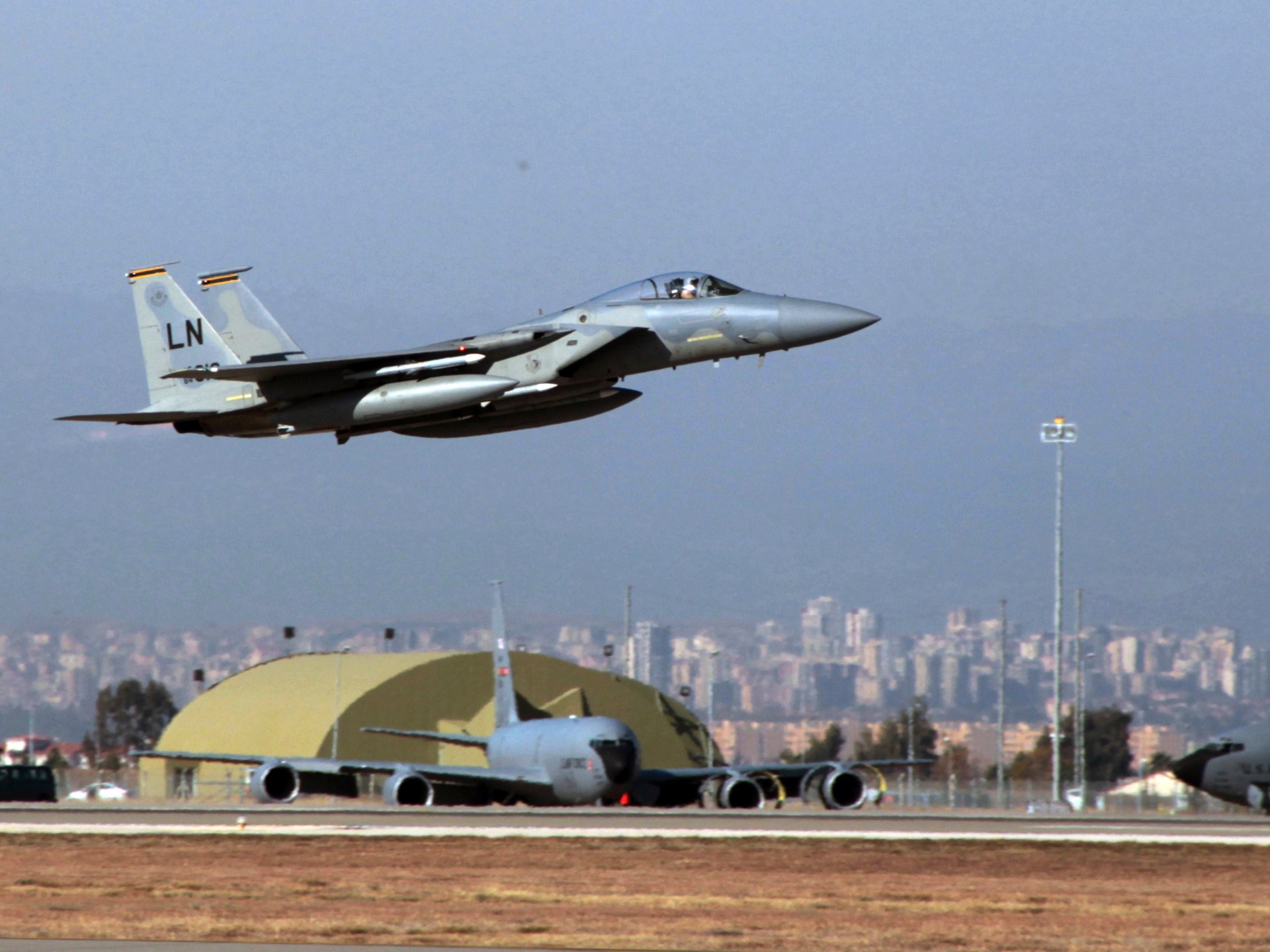
**Turkey says NATO boosting air defences after missile interceptions**
**ANKARA** — Turkey said NATO is moving to strengthen the alliance’s defensive posture after recent missile interceptions raised fresh concerns about regional security and the risk of spillover from nearby conflicts.
Turkish officials said the stepped-up measures are aimed at reinforcing air and missile defence capabilities along NATO’s southeastern flank, where Turkey occupies a strategically sensitive position bordering several conflict zones. The announcement follows a period of heightened alert after missiles were intercepted in the wider region, underlining fears that instability could draw in neighboring states or threaten alliance territory.
While Turkish authorities did not provide full operational details, the move signals closer coordination between Ankara and its NATO partners at a time when air defence has become an increasingly urgent issue across Europe and the Middle East.
## What happened
Turkey said NATO is bringing in additional defensive assets following missile interceptions that highlighted the volatility of the region and the need for stronger protection against potential aerial threats.
The comments suggest that the alliance is taking precautionary steps to bolster deterrence and preparedness. Such defences can include missile defence systems, radar support, surveillance assets, and other military measures designed to detect, track and, if necessary, intercept incoming threats.
The statement comes as governments across the region assess the risks posed by escalating military activity and seek to prevent any attack or miscalculation from spreading beyond current battle zones.
## Why it matters
Turkey is a key NATO member and sits at the crossroads of Europe, the Middle East and the Black Sea region. Any increase in military risk near its borders has implications not only for Turkish security but also for the wider alliance.
Additional NATO defences matter for several reasons:
– **Deterrence:** A stronger defensive presence can discourage further attacks or accidental incursions.
– **Alliance reassurance:** It demonstrates NATO’s commitment to protecting member states exposed to regional instability.
– **Regional stability:** Better air defences can reduce the chance that missile fire or military escalation spills onto NATO territory.
– **Strategic signaling:** The move sends a message that the alliance is monitoring developments closely and is prepared to respond defensively.
The development also comes amid broader concerns over missile and drone warfare, which have become more prominent in recent conflicts and have tested the readiness of air defence systems worldwide.
## Background
Turkey has long sought stronger air defence coverage because of its geography and its proximity to multiple conflict zones. Over the years, NATO has periodically deployed defensive systems to Turkey in response to threats emanating from neighboring countries.
Ankara’s role within the alliance has at times been complicated by disputes with Western partners, including over defense procurement and regional policy. Even so, NATO has continued to describe Turkey as a vital ally because of its military capabilities and its location on the alliance’s southeastern border.
Missile interceptions in or near the region often trigger concern because they can indicate either direct threats, unintended spillover, or the danger of rapid escalation. In such moments, NATO members typically review force posture, surveillance, and defensive readiness.
The latest Turkish statement reflects that familiar pattern: an episode of missile-related tension followed by alliance efforts to reinforce security and reassure exposed members.
## Q&A
**Q: What did Turkey say?**
A: Turkey said NATO is bringing in more defensive measures after recent missile interceptions raised security concerns.
**Q: What kind of defences could NATO deploy?**
A: These could include air and missile defence systems, radar, surveillance support, and related military assets, though specific details were not immediately disclosed.
**Q: Why is Turkey important in this situation?**
A: Turkey is NATO’s southeastern flank and borders volatile regions, making it especially vulnerable to spillover from nearby conflicts.
**Q: Does this mean NATO expects an attack?**
A: Not necessarily. The move appears to be precautionary and intended to strengthen deterrence and preparedness.
**Q: Has NATO done this before?**
A: Yes. NATO has previously reinforced Turkey’s air defences during periods of heightened regional tension.
**Q: Why are missile interceptions significant?**
A: They highlight the immediacy of aerial threats and the possibility that regional conflict could spread or affect neighboring countries.
The Turkish announcement adds to signs that NATO is closely watching the security environment on its borders and is prepared to adjust its defences as missile threats become a growing feature of modern conflict.