What happened
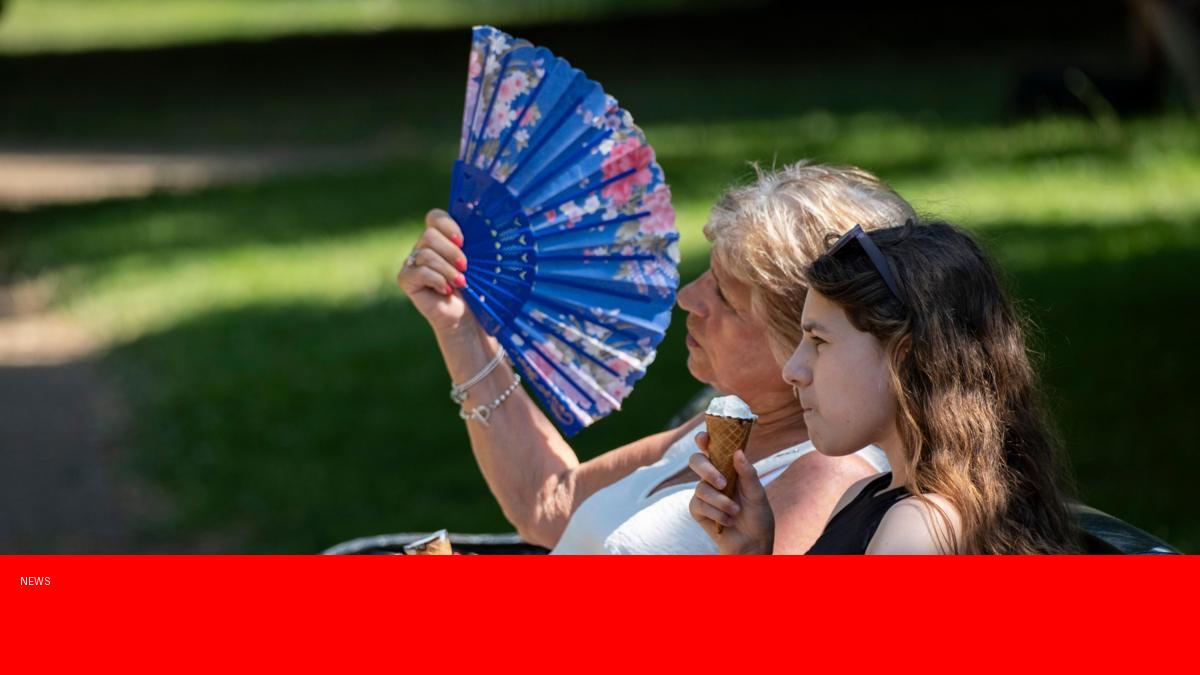
The UK is forecast to experience temperatures reaching up to 28°C this weekend, raising concerns about the potential onset of another heatwave. Meteorologists have indicated that warm air masses from southern Europe will push across the country, bringing unseasonably high temperatures for early spring. This spike in temperature could mark one of the earliest significant warm spells in the UK this year.
Why it matters
This sudden rise in temperature has important implications for public health, infrastructure, and the environment. High temperatures can increase the risk of heat-related illnesses, especially among vulnerable groups such as the elderly and children. It also puts pressure on the National Health Service and local authorities to prepare for potential emergencies. Furthermore, the warming trend raises concerns about water shortages and stresses on agriculture, while highlighting the ongoing impacts of climate change on the UK’s weather patterns.
Background
The UK typically experiences warm weather and heatwaves during the summer months, from June to August. However, recent years have seen a shift in weather patterns, with increasingly frequent and intense heatwaves occurring outside the traditional season. Last summer, the UK recorded record-breaking temperatures, prompting wider discussion about climate adaptation and government preparedness. This weekend’s forecast follows a series of warmer-than-average temperatures throughout spring, signaling a possible trend toward earlier seasonal heat events.
Questions and Answers
Q: What weather conditions are expected this weekend in the UK?
A: Temperatures could reach as high as 28°C, with warm air moving in from southern Europe leading to unusually warm spring weather.
Q: Could this weekend’s heat lead to an official heatwave?
A: While it is early in the season, sustained high temperatures could develop into a heatwave if warm conditions persist for several days.
Q: How should people prepare for the rising temperatures?
A: It is advised to stay hydrated, avoid strenuous outdoor activities during peak heat, and check on vulnerable family members and neighbors.
Q: Does this event relate to climate change?
A: Yes, scientists warn that climate change is increasing the frequency and severity of heatwaves, contributing to unusual temperature spikes outside typical summer months.
Q: What measures are authorities taking to respond to potential heatwaves?
A: The UK government and health agencies typically issue heat health alerts, provide guidance to the public, and prepare emergency services to manage heat-related risks.
Source: https://www.bbc.com/weather/articles/c74y8p34nvno?at_medium=RSS&at_campaign=rss