What happened
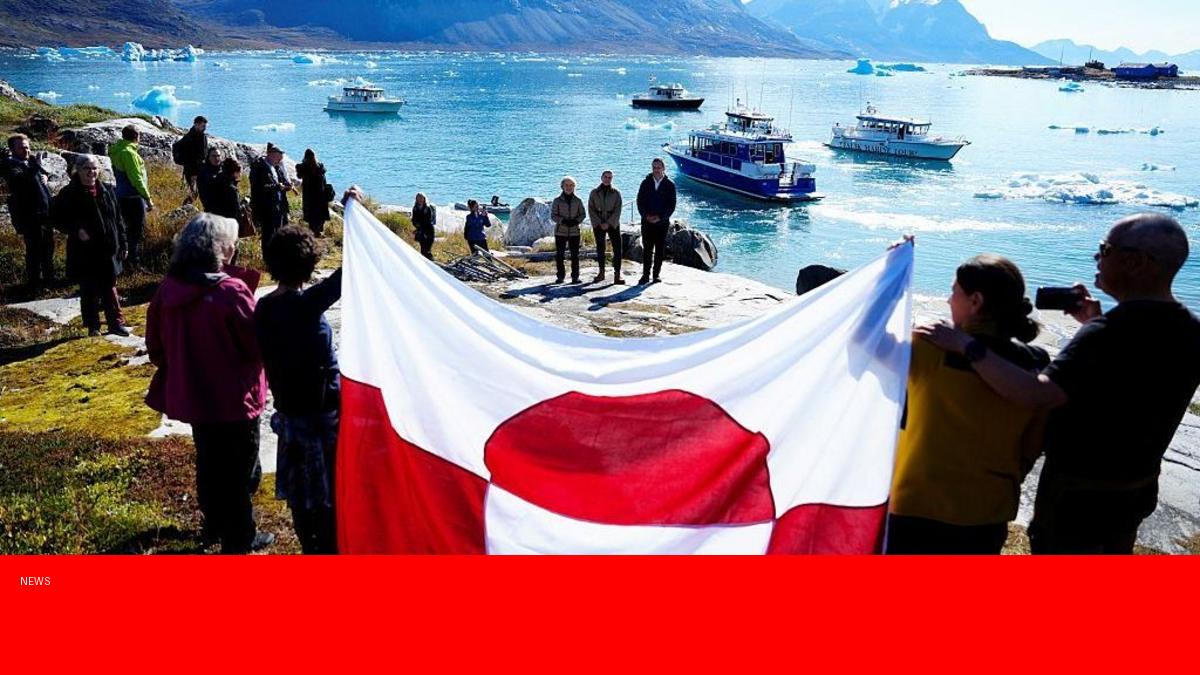
The United States and Denmark have reached a new security agreement concerning Greenland. The deal will allow the US to expand its military presence and activities on the island, which is an autonomous territory of Denmark. This agreement enhances cooperation on defense and intelligence matters, reflecting the strategic importance of Greenland in Arctic security.
Why it matters
The deal underscores Greenland’s growing geopolitical significance amid rising tensions in the Arctic region, particularly involving China and Russia. The expanded US military role will strengthen defense capabilities and surveillance in the Arctic, a region rich in natural resources and key for global shipping routes. It also signals closer US-Danish collaboration, which could influence power dynamics and security policies across the Arctic.
Background
Greenland is the world’s largest island and sits in a strategic position between North America and Europe. The US has maintained a military base at Thule Air Base in Greenland since World War II, but recent years have seen increased interest from global powers in the Arctic due to melting ice making the region more accessible. Denmark controls foreign and defense policy for Greenland, though the island has substantial self-governing authority. Previous US attempts to purchase Greenland sparked controversy, highlighting the island’s strategic value.
Questions and Answers
Q: Why is Greenland important to the United States?
A: Greenland’s location offers strategic military advantages for Arctic surveillance and security, with proximity to key northern airspace and potential shipping lanes.
Q: How does this deal affect Denmark’s role in Greenland?
A: Denmark retains sovereignty and oversight but has agreed to allow increased US military activities, reflecting collaborative defense efforts.
Q: What are the broader implications for Arctic geopolitics?
A: The agreement may intensify competition between Western nations and rival powers like Russia and China, impacting security and resource access in the region.
Source: https://www.bbc.co.uk/news/articles/c63d7lexyym1o?at_medium=RSS&at_campaign=rss