What happened
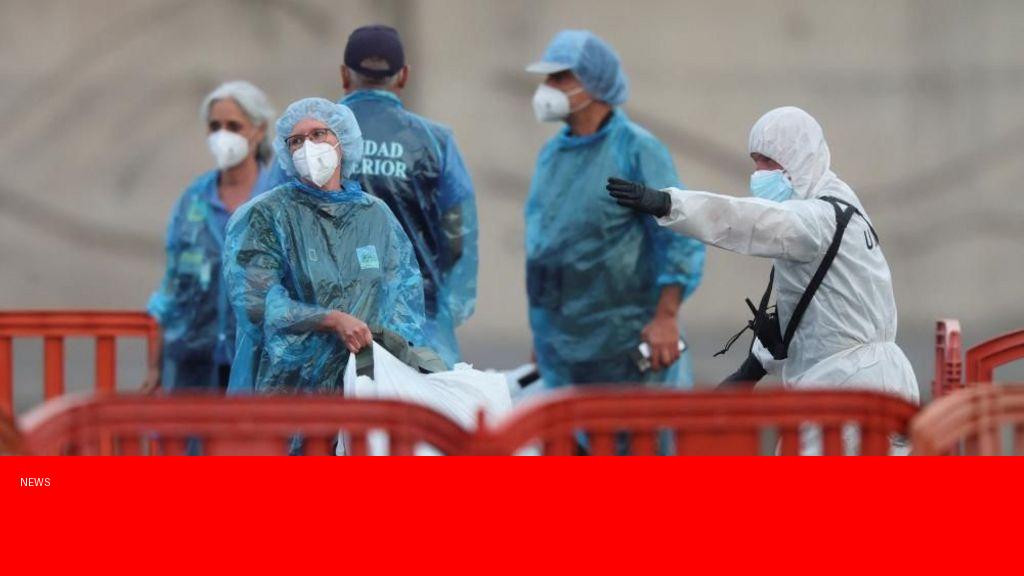
Several US and French nationals have tested positive for hantavirus after disembarking from a cruise ship. Health authorities identified the cases following reports of symptoms consistent with hantavirus pulmonary syndrome (HPS) among passengers shortly after their voyage ended. The affected individuals are currently receiving medical care, and investigations are underway to determine the source of the infection on or around the ship.
Why it matters
Hantavirus is a serious, sometimes fatal respiratory disease transmitted primarily through contact with rodent droppings, urine, or saliva. The diagnosis of hantavirus in multiple passengers raises concerns about possible contamination in the ship’s environment or during port stops. This incident highlights the ongoing risks of infectious diseases in travel settings and underscores the importance of rigorous sanitation and rodent control protocols on cruise ships to prevent outbreaks.
Background
Hantavirus pulmonary syndrome is a rare but severe respiratory illness caused by hantaviruses found mainly in rodents. While cases in humans are uncommon, outbreaks have occurred in various parts of the world, often linked to exposure in rural or wilderness areas. Cruise ships, due to their closed environments and frequent port visits, can be vulnerable to the introduction and spread of various infectious diseases. Health authorities routinely monitor such incidents to protect public health and prevent further transmission.
Questions and Answers
Q: How do people typically contract hantavirus?
A: Humans usually contract hantavirus through inhalation of dust contaminated with rodent urine, droppings, or saliva. Direct contact with rodents or their excreta can also lead to infection.
Q: Are hantavirus infections contagious between people?
A: No, hantavirus is not known to spread from person to person. Infection occurs primarily through exposure to infected rodents or their secretions.
Q: What symptoms should someone watch for after potential exposure?
A: Early symptoms include fever, muscle aches, fatigue, and headaches. These can rapidly progress to coughing and shortness of breath as the lungs fill with fluid, requiring prompt medical attention.
Q: What measures are being taken to prevent further cases on the cruise ship?
A: Authorities are conducting thorough inspections and sanitation procedures, including rodent control measures. Passengers and crew are being monitored for symptoms, and public health guidance is being reinforced.
Q: Should travelers be concerned about future cruises?
A: While hantavirus infection remains rare, travelers should remain informed about health advisories and practice good hygiene. Cruise lines are expected to maintain strict sanitation standards to minimize risks.
Source: https://www.bbc.com/news/articles/cjep78l5835o?at_medium=RSS&at_campaign=rss