What happened
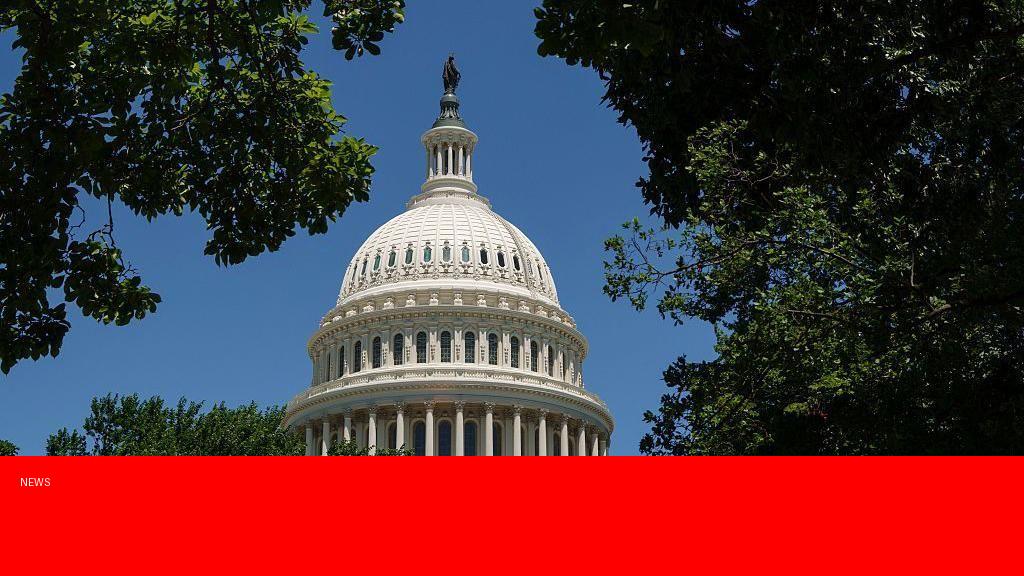
The US House of Representatives voted overwhelmingly to halt any military action against Iran without explicit Congressional approval. This move was seen as a direct rebuke to then-President Donald Trump’s administration, which had taken aggressive stances toward Iran without seeking prior authorization from Congress. The resolution aims to limit the president’s authority to engage in hostilities with Iran and requires Congressional consent before any new military engagement.
Why it matters
This vote marks a significant assertion of Congressional power in matters of war, challenging the executive branch’s traditional control over military decisions. It underscores growing concern among lawmakers about escalating tensions with Iran potentially leading to unintended conflict. The resolution could constrain the Trump administration’s ability to launch unauthorized military actions, reflecting a broader debate about checks and balances in US foreign policy and war-making powers.
Background
Tensions between the US and Iran escalated sharply after the Trump administration withdrew from the 2015 Iran nuclear deal and imposed stringent economic sanctions. In early 2020, the killing of Iranian General Qasem Soleimani by a US drone strike further heightened hostilities. Although Congress passed the War Powers Resolution of 1973 to regulate presidential military actions, recent US administrations have often acted without explicit Congressional approval. The House vote aims to reaffirm Congressional authority amid fears of an all-out war with Iran.
Questions and Answers
Q: What prompted the US House to vote on halting military action against Iran?
A: Rising concerns over the Trump administration’s unilateral military actions toward Iran, especially following the drone strike that killed General Qasem Soleimani, motivated Congress to reassert its constitutional role in authorizing war.
Q: Did the resolution have bipartisan support?
A: Yes, the resolution received support from both Democrats and some Republicans who favored limiting the president’s war-making powers.
Q: Does this vote prevent the president from taking any action against Iran?
A: The vote does not completely prevent action but requires the president to seek Congressional approval before initiating new military operations against Iran.
Q: What are the implications for US-Iran relations?
A: The vote signals Congressional skepticism about escalating conflicts and may pressure diplomatic efforts, but tensions remain high and future developments are uncertain.
Source: https://www.bbc.com/news/articles/cj6pldg39deo?at_medium=RSS&at_campaign=rss