What happened
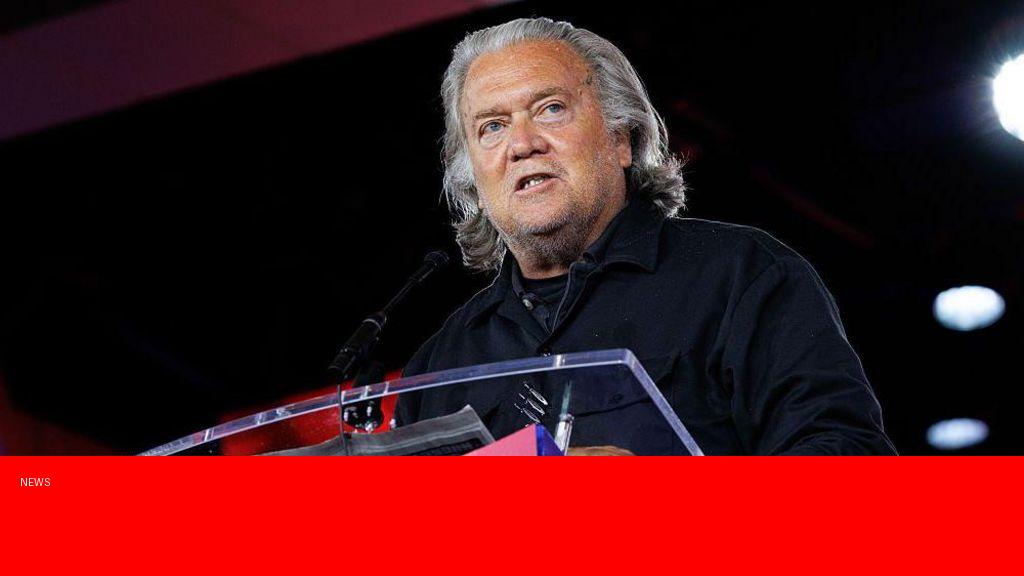
The U.S. Supreme Court has cleared the way for the dismissal of former White House strategist Steve Bannon’s contempt of Congress conviction. This comes after the Court ruled on a key legal issue related to the prosecution’s authority, effectively allowing lower courts to reconsider and potentially overturn his conviction. Bannon was convicted for defying a subpoena from the House committee investigating the January 6 Capitol attack.
Why it matters
This development is significant as it may undermine efforts by Congress to enforce subpoenas and hold individuals accountable for refusing to cooperate with investigations. The ruling could limit the scope of legal mechanisms used to compel testimony in congressional probes, influencing not only Bannon’s case but also future inquiries into government officials and political figures. It also reflects ongoing tensions between the executive branch, lawmakers, and the judiciary over oversight powers.
Background
Steve Bannon was indicted and later convicted for contempt after he ignored a subpoena demanding his testimony and documents linked to the January 6 attack investigation. His case has been closely watched as a test of Congress’s ability to investigate the events surrounding the Capitol riot and hold key players accountable. The Supreme Court’s recent decision centers on procedural questions regarding the authority of special prosecutors and the appropriate judicial avenues for challenging contempt convictions.
Questions and Answers
Q: What was the specific legal issue the Supreme Court addressed?
A: The Court focused on whether the special counsel appointed to prosecute Bannon had the authority under federal law to bring contempt charges, as well as procedural aspects regarding the handling of such cases.
Q: Does this ruling mean Bannon is free from all legal consequences?
A: Not necessarily. While the ruling opens the door for dismissal of his current conviction, it does not grant immunity from other potential charges or investigations.
Q: How might this decision affect congressional investigations going forward?
A: It could complicate Congress’s efforts to enforce subpoenas and gather testimony, potentially requiring changes to current enforcement strategies or new legislation.
Q: Is this ruling final?
A: Yes, the Supreme Court’s decision on this matter is final, but lower courts will apply the guidance in reconsidering Bannon’s conviction.
Source: https://www.bbc.com/news/articles/cgqk4kyj4yvo?at_medium=RSS&at_campaign=rss