What happened
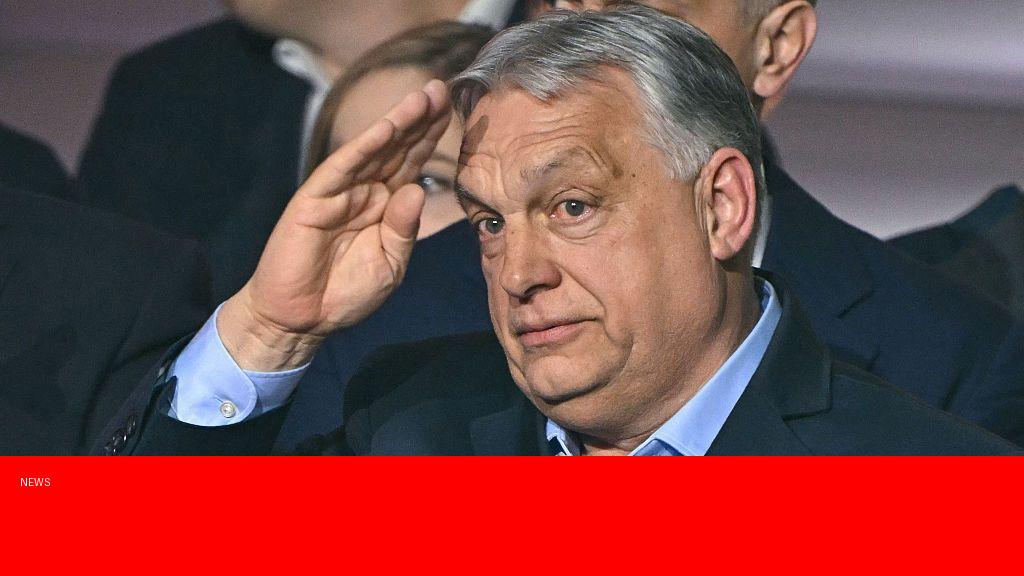
Hungary’s long-serving Prime Minister Viktor Orbán appears to be losing momentum as his government faces mounting political and economic challenges. Once praised for transforming Hungary through conservative reforms and economic growth, Orbán’s administration is now grappling with inflation, declining public support, and increasing criticism from both domestic opposition and the European Union. Recent elections have shown signs of weakening support for Orbán’s Fidesz party, while Hungary’s strained relations with the EU have started to affect funding and investment.
Why it matters
Orbán’s diminishing political strength signals a potential shift in Hungary’s direction, which could have significant implications for European politics and regional stability. Hungary has been a key player in Central Europe’s tilt toward nationalist and illiberal governance, challenging EU norms on democracy, rule of law, and human rights. A slowdown or reversal of Orbán’s policies may influence similar movements in neighboring countries and impact EU cohesion. Economically, ongoing instability risks deterring foreign investment and slowing growth in a country heavily reliant on EU financial support.
Background
Viktor Orbán has been Hungary’s Prime Minister since 2010, reelected multiple times with broad mandates. His government implemented sweeping changes including constitutional reforms, increased state control over media, and a strong nationalist rhetoric opposing immigration and multiculturalism. Orbán’s “Hungarian experiment” combined economic policies favoring industrial growth and low unemployment with a firm stance against EU integration pressures. However, tensions with the EU escalated over concerns about democratic backsliding and misuse of EU funds. Economic issues such as rising inflation and energy shortages have further complicated Orbán’s position.
Questions and Answers
Q: What factors have contributed to Viktor Orbán losing political momentum?
A: Key factors include economic challenges like rising inflation, diminishing public support as reflected in recent elections, criticism from domestic opposition groups, and strained relations with the European Union leading to cuts in funding and investment.
Q: How has Orbán’s approach affected Hungary’s relationship with the European Union?
A: Orbán’s nationalist and illiberal policies, coupled with concerns over democratic standards and rule of law, have led to increased tensions with the EU. This has resulted in delayed funding, legal challenges, and Hungary’s relative isolation within the EU bloc.
Q: What might a decline in Orbán’s influence mean for Hungary’s future?
A: A decline could open the door for more moderate political forces to gain power, potentially leading to policy changes that align Hungary closer with EU norms and standards. It may also stabilize economic conditions and improve international relations.
Q: How has the Hungarian public reacted to Orbán’s policies recently?
A: Public opinion appears divided but generally shows signs of waning support for Orbán, with opposition parties gaining ground in recent elections and protests emerging over economic hardships and restrictions on freedoms.
Q: Could Orbán’s “Hungarian experiment” be replicated elsewhere?
A: While Orbán’s model has inspired nationalist and populist movements in other countries, its sustainability is in question given current setbacks. Economic strains and political pushback offer cautionary lessons for similar regimes.
Source: https://www.bbc.com/news/articles/cy81lg4yzeyo?at_medium=RSS&at_campaign=rss