What happened
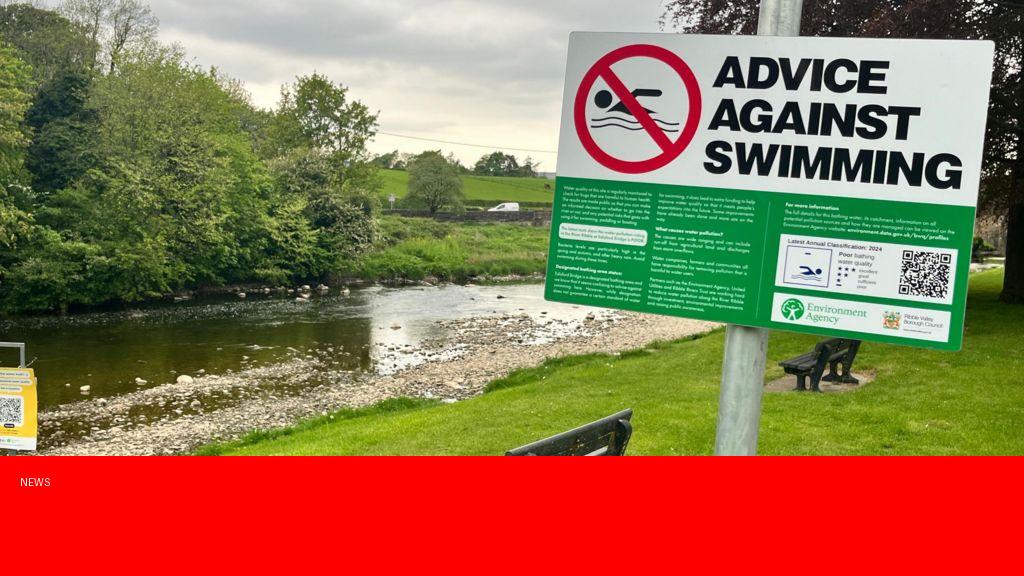
Authorities have issued “Don’t swim” warnings at 12 of 14 designated river bathing sites following recent water quality tests. The warnings come after elevated contamination levels were detected, making the water unsafe for recreational swimming. This announcement coincides with the addition of more river sites to the official bathing list, prompting increased public awareness and caution.
Why it matters
The swim bans are critical for public health and safety, preventing exposure to harmful bacteria and pollutants that can cause illness. River bathing is a popular summer activity, so these warnings affect thousands of residents and tourists. The discovery of unsafe conditions also highlights ongoing environmental challenges and the need for improved water management and pollution control.
Background
River bathing sites have been promoted to encourage outdoor recreation and tourism, often providing a natural alternative to swimming pools. Water quality is regularly monitored, but recent heavy rains and runoff have contributed to contamination. Local agencies work together to test, report, and manage bathing areas to protect swimmers while encouraging safe enjoyment of natural resources.
Questions and Answers
Q: Which river sites have been affected by the swim bans?
A: Twelve out of fourteen officially designated river bathing sites have been declared unsafe for swimming due to poor water quality. Specific sites are listed on the local authority’s website.
Q: What contaminants were found in the water?
A: Elevated levels of bacteria, such as E. coli and enterococci, were detected, indicating pollution that can pose health risks to swimmers.
Q: How long will the “Don’t swim” advisories remain in place?
A: Advisories will remain until follow-up tests confirm that water quality has returned to safe levels, which typically takes days to weeks depending on environmental conditions.
Q: Are the newly added river bathing sites also tested regularly?
A: Yes, all officially designated bathing sites undergo routine water quality monitoring, including the newly announced locations, to ensure safety standards are met.
Q: What should swimmers do if they experience illness after swimming?
A: Anyone feeling unwell after river bathing should seek medical attention promptly and report symptoms to local health authorities to help track potential outbreaks.
Source: https://www.bbc.com/news/articles/cvgzvqq9345o?at_medium=RSS&at_campaign=rss