What happened
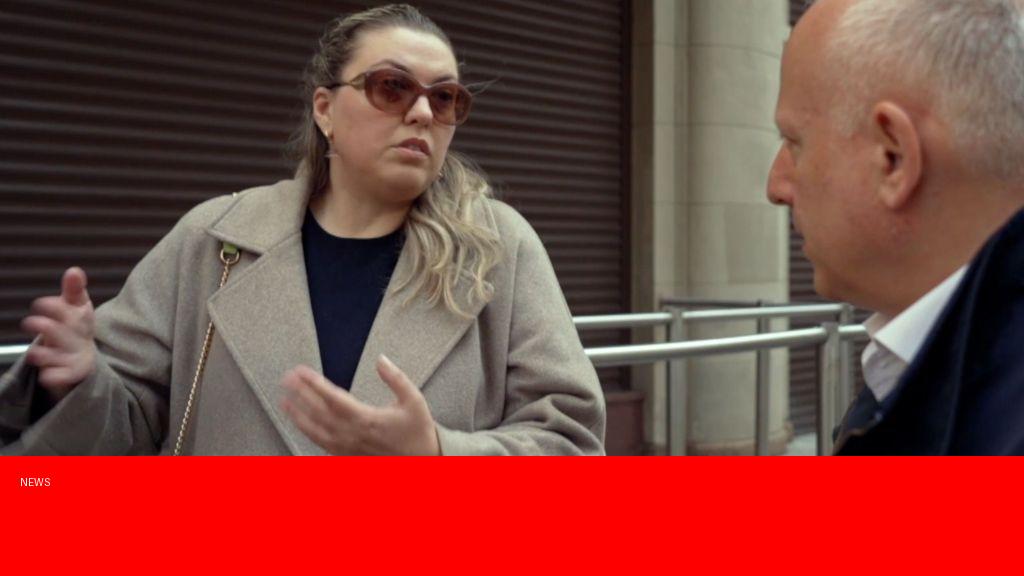
The Kremlin has intensified its internet crackdown in Russia, implementing stricter controls over online content and limiting access to various websites and social media platforms. This move has resulted in widespread frustration among Russian citizens, many of whom rely on the internet for communication, news, and entertainment. Users report slower internet speeds, restricted access to global platforms, and increased surveillance, making it difficult for them to freely express opinions or obtain unbiased information.
Why it matters
The crackdown on internet freedom in Russia affects millions of people’s ability to communicate both domestically and internationally. It restricts access to independent news sources and social media, hindering free speech and access to diverse viewpoints. This censorship can deepen isolation from the global community and suppress dissenting voices within the country. Furthermore, it raises concerns about the future of digital rights and privacy not only in Russia but as a precedent for other nations considering similar measures.
Background
Over the past few years, the Russian government has gradually increased its control over the internet, citing national security and the prevention of misinformation as primary reasons. New legislation allows authorities to block websites without court orders, require data localization, and monitor online activity more closely. These actions have escalated since Russia’s military actions in Ukraine, as the Kremlin seeks to control the narrative and suppress opposition both online and offline. Internationally, Russia faces criticism for these moves, which are seen as part of broader efforts to consolidate power and limit democratic freedoms.
Questions and Answers
Q: What specific websites or platforms have been restricted under the Kremlin’s crackdown?
A: Several international social media platforms like Facebook, Twitter, and Instagram have faced restrictions, along with numerous independent news websites and VPN services used to bypass censorship.
Q: How are Russian citizens reacting to these internet restrictions?
A: Many feel frustrated and cut off from the outside world, using workarounds such as VPNs when possible, but some express concerns about privacy and fear of government surveillance.
Q: What justification does the Kremlin give for these wide-reaching internet controls?
A: The Kremlin claims the measures are necessary to combat misinformation, protect national security, and prevent foreign interference in Russia’s internal affairs.
Q: Could these restrictions have long-term effects on Russian society?
A: Yes, prolonged censorship can limit access to unbiased information, diminish civil liberties, stifle innovation, and further isolate Russia from the global community.
Q: How is the international community responding to the Kremlin’s actions?
A: Many governments and human rights organizations have condemned the crackdown, calling for the protection of digital rights and urging Russia to uphold freedom of expression online.
Source: https://www.bbc.com/news/videos/c75kpx2w452o?at_medium=RSS&at_campaign=rss