What happened
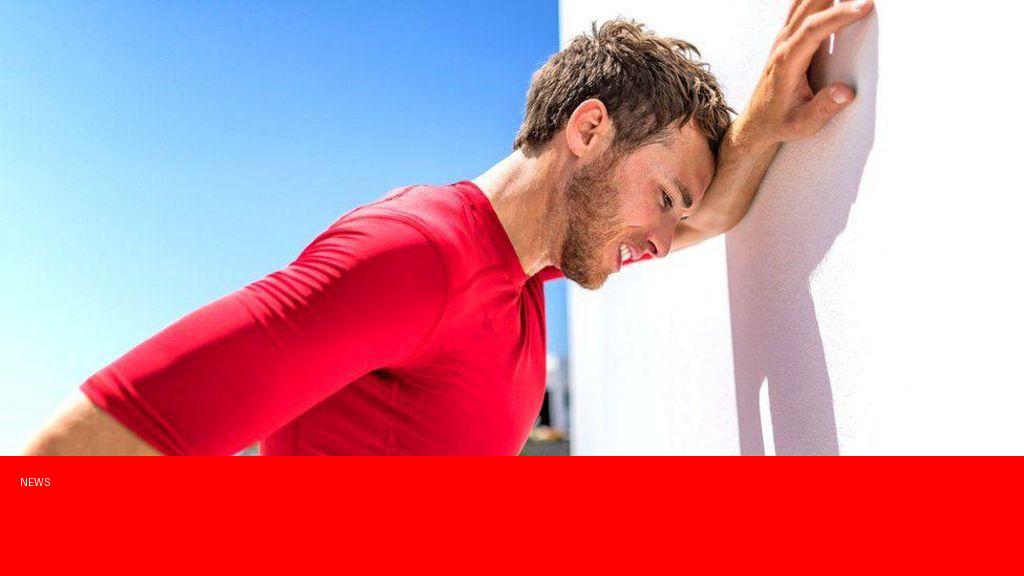
As summer temperatures soar, health officials have issued guidance on recognizing and responding to heat exhaustion and heatstroke. These heat-related illnesses can develop quickly when the body overheats due to prolonged exposure to high temperatures or strenuous activity. Immediate action is critical to prevent serious complications or fatalities.
Why it matters
Heat exhaustion and heatstroke pose significant health risks, especially to vulnerable populations such as the elderly, young children, and those with preexisting conditions. Understanding the symptoms and knowing how to respond can save lives and reduce the burden on healthcare systems during heatwaves. Prompt treatment helps prevent permanent organ damage and can be lifesaving in severe cases.
Background
Heat exhaustion occurs when the body loses excessive water and salt, leading to symptoms like heavy sweating, weakness, dizziness, and nausea. If untreated, it can progress to heatstroke, a life-threatening condition characterized by an extremely high body temperature, confusion, loss of consciousness, or seizures. Heatstroke requires immediate emergency medical attention to prevent death or long-term health effects.
Questions and Answers
Q: What are the signs of heat exhaustion?
A: Common signs include heavy sweating, weakness, cold and clammy skin, fast but weak pulse, dizziness, headache, nausea, and muscle cramps.
Q: How can I help someone with heat exhaustion?
A: Move the person to a cooler place, have them rest, and provide cool water to drink. Loosen tight clothing and apply cool, wet cloths to the skin. Monitor their condition closely and seek medical help if symptoms worsen.
Q: What symptoms indicate heatstroke?
A: Heatstroke symptoms include high body temperature (above 103°F or 39.4°C), hot and dry skin or profuse sweating, confusion, agitation, slurred speech, seizures, and loss of consciousness.
Q: What should I do if I suspect heatstroke?
A: Call emergency services immediately. While waiting for help, move the person to a shaded area, try to lower their body temperature with cool cloths or a cool bath, and do not give fluids if they are unconscious.
Q: How can heat-related illnesses be prevented?
A: Stay hydrated, avoid strenuous activity during peak heat hours, wear lightweight and protective clothing, take frequent breaks in air-conditioned or shaded environments, and watch for symptoms in yourself and others.
Source: https://www.bbc.com/news/articles/ckgl51jjp3jo?at_medium=RSS&at_campaign=rss