What happened
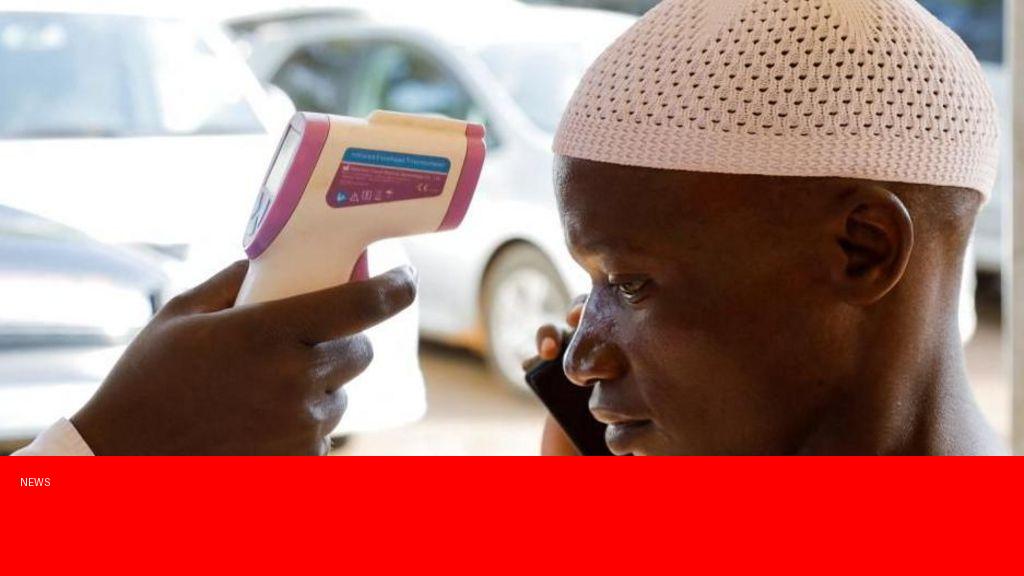
The Democratic Republic of Congo (DR Congo) is experiencing a severe health crisis as it battles a deadly Ebola outbreak amid escalating armed conflict in the region. The World Health Organization (WHO) has issued a warning that the simultaneous occurrence of the disease outbreak and ongoing violence constitutes a “catastrophic collision,” complicating efforts to contain the virus and provide healthcare. The combination of insecurity and Ebola is severely hindering response teams’ ability to reach affected communities, resulting in a worsening humanitarian situation.
Why it matters
This dual crisis in DR Congo poses a significant threat to both regional and global health security. The failure to control the Ebola outbreak could lead to increased transmission and fatalities, while the escalating conflict impedes medical intervention and access to vulnerable populations. The intertwined health and security challenges strain already limited resources, potentially allowing the virus to spread unchecked. Additionally, the conflict undermines vaccination campaigns and trust in public health initiatives, which are critical to end the outbreak. The situation underscores the urgent need for coordinated international support to address both the health emergency and the security issues.
Background
DR Congo has faced multiple Ebola outbreaks over the past decade, with the most recent resurgence reported in early 2024. The virus is highly contagious and often fatal, requiring prompt containment measures such as contact tracing, isolation, and vaccination. Simultaneously, parts of eastern DR Congo remain plagued by violent clashes between armed groups, displacing communities and disrupting governance. Previous outbreaks in the country have been exacerbated by such instability, complicating public health responses. The WHO, alongside national and local partners, has been working to ramp up efforts, but insecurity has limited access to hotspots and endangered frontline responders.
Questions and Answers
Q: What challenges does the armed conflict pose to Ebola containment efforts in DR Congo?
A: The armed conflict restricts safe access to affected populations, disrupts vaccination campaigns, and poses risks to health workers, all of which hamper efforts to trace and isolate cases and slow the spread of the virus.
Q: How is the WHO responding to this dual crisis?
A: The WHO is coordinating with the DR Congo government and international partners to strengthen surveillance, support vaccination programs, and improve security measures for health workers, while advocating for peace efforts to enable humanitarian access.
Q: What is being done to protect healthcare workers in the conflict zones?
A: Security escorts and community engagement strategies are being implemented to safeguard healthcare workers, alongside training on infection prevention and control protocols to reduce transmission risks.
Q: Why is it important for the international community to get involved?
A: International support is crucial to provide additional resources, expertise, and logistical assistance to manage the outbreak and address the underlying security issues that impede effective health interventions.
Source: https://www.bbc.com/news/articles/cdxpdex062yo?at_medium=RSS&at_campaign=rss