What happened
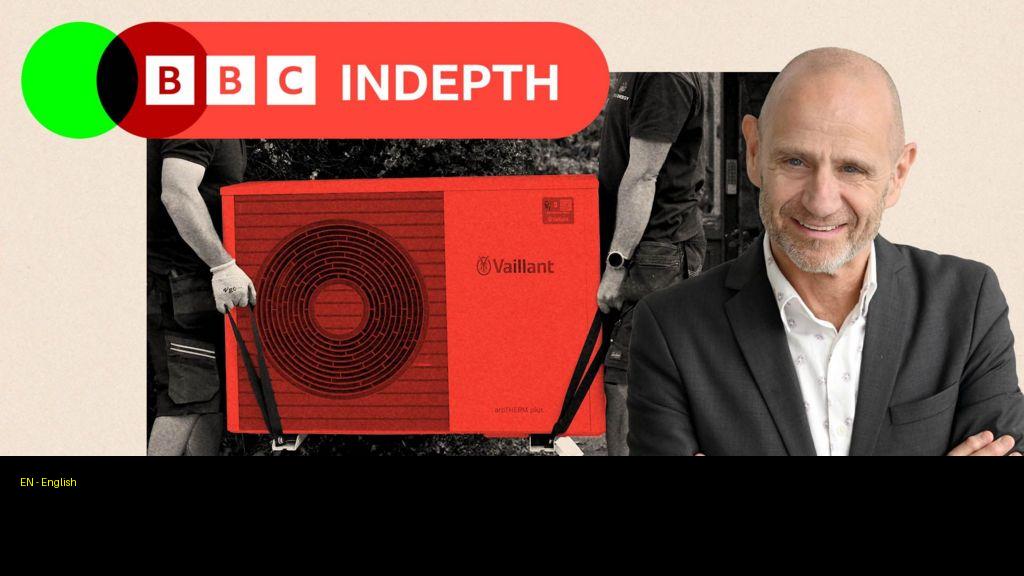
A growing number of homeowners are installing heat pumps as an alternative to traditional heating systems. While many users, including myself, have found that heat pumps effectively provide comfortable heating and cooling throughout the year, the technology has yet to become a clear financial benefit for most consumers. Despite the environmental advantages and improved energy efficiency, the upfront cost and current energy prices mean that savings on utility bills are still modest or non-existent for many users.
Why it matters
The impact of this development is significant as the world seeks to reduce carbon emissions and move away from fossil fuel-based heating methods. Heat pumps, which use electricity to transfer heat rather than generate it by burning fuel, offer a cleaner alternative. However, the high initial investment and limited financial incentives can discourage widespread adoption. Understanding that heat pumps work well but are not yet cost-saving highlights the need for policy adjustments, subsidies, and technological advancements to make sustainable heating solutions more accessible and economical for homeowners.
Background
Heat pumps have been used in various parts of the world for decades, particularly in countries with mild climates. They operate by extracting heat from the outside air, ground, or water and transferring it indoors for heating or removing heat from indoors for cooling. Over the past few years, rising concerns over climate change and stricter regulations on carbon emissions have led to increased promotion of heat pumps. Nevertheless, their adoption in many regions is hindered by factors such as higher installation costs, insufficient infrastructure, and energy price fluctuations. Governments and manufacturers are working to improve technology efficiency and affordability to encourage broader acceptance.
Questions and Answers
Q: Do heat pumps save money compared to traditional heating systems?
A: Currently, in many cases heat pumps do not lead to significant cost savings due to high upfront installation costs and local energy prices, though they can reduce energy consumption overall.
Q: Are heat pumps environmentally friendly?
A: Yes, heat pumps produce fewer greenhouse gas emissions compared to fossil fuel-based heating systems, especially when powered by renewable electricity.
Q: What can make heat pumps more affordable in the future?
A: Increased government incentives, advances in technology reducing installation costs, and lower electricity prices can help make heat pumps more financially viable.
Q: Are heat pumps suitable for all climates?
A: Heat pumps work best in moderate climates but recent technological improvements have made them more effective in colder regions as well.
Source: https://www.bbc.com/news/articles/ce358gkx9vpo?at_medium=RSS&at_campaign=rss