What happened
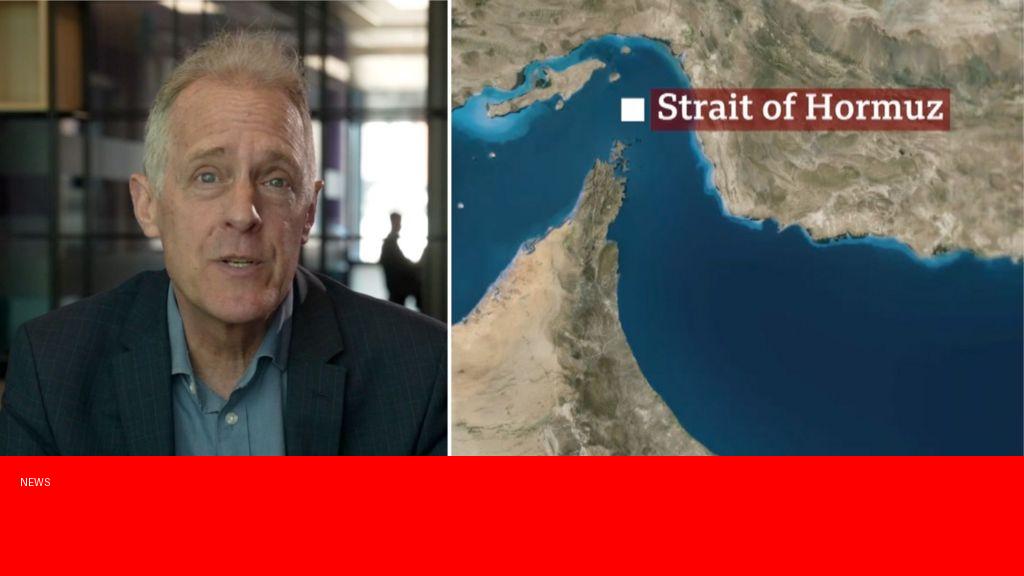
The Strait of Hormuz, a narrow waterway connecting the Persian Gulf to the Gulf of Oman and the Arabian Sea, has become a hotspot of geopolitical tension and security risks. Its geography—being only about 21 miles wide at its narrowest point—forces a significant portion of global oil shipments to pass through a constrained and easily monitored corridor. Recent incidents involving naval confrontations, attacks on vessels, and threats from regional powers have underscored how the strait’s unique geography contributes to its vulnerability, making passage through this maritime route increasingly perilous.
Why it matters
The Strait of Hormuz is a strategic chokepoint through which approximately 20% of the world’s petroleum and about 30% of global liquefied natural gas exports transit. Any disruption to the flow of oil and gas through this narrow passage can lead to dramatic spikes in global energy prices, destabilizing markets and impacting economies worldwide. The risk of conflict or blockades in this corridor threatens energy security for many countries, especially those heavily dependent on Middle Eastern oil, highlighting why its geography directly influences global economic and geopolitical stability.
Background
Geographically, the Strait of Hormuz lies between Oman and Iran and spans just 21 miles at its tightest section, with shipping lanes reduced to about two miles wide in each direction. This narrowness limits maneuverability and makes the navigation of large tankers hazardous. Historically, the strait has been at the center of regional conflicts and international disputes due to its vital importance in global energy supply chains. Political tensions between Iran and its neighbors, alongside the presence of foreign naval forces, have escalated security concerns, making the passage through the strait a high-risk operation for commercial and military vessels alike.
Questions and Answers
Q: Why is the Strait of Hormuz so narrow?
A: The strait’s narrowness is a natural geographic formation between the land masses of Iran and Oman, creating a limited maritime passage that is difficult for large volumes of shipping to safely navigate simultaneously.
Q: How much oil passes through the Strait of Hormuz daily?
A: Roughly 17 to 21 million barrels of oil pass through the strait every day, accounting for about 20% of the global oil trade.
Q: What makes navigation through the strait risky beyond its size?
A: Besides its narrow width, the strait’s shallow waters, heavy maritime traffic, and proximity to militarized coastlines increase the likelihood of accidents and hostile actions, complicating safe passage for vessels.
Q: Have there been recent security incidents in the Strait of Hormuz?
A: Yes, there have been multiple incidents in the past decade, including attacks on commercial tankers, seizures of vessels by military forces, and threats of blockades by regional powers.
Q: What measures are being taken to secure the Strait of Hormuz?
A: Various international naval coalitions patrol the area to ensure safe navigation, and diplomatic efforts aim to reduce regional tensions, though the geopolitical situation remains fragile.
Source: https://www.bbc.com/news/videos/cx24jk0z74yo?at_medium=RSS&at_campaign=rss