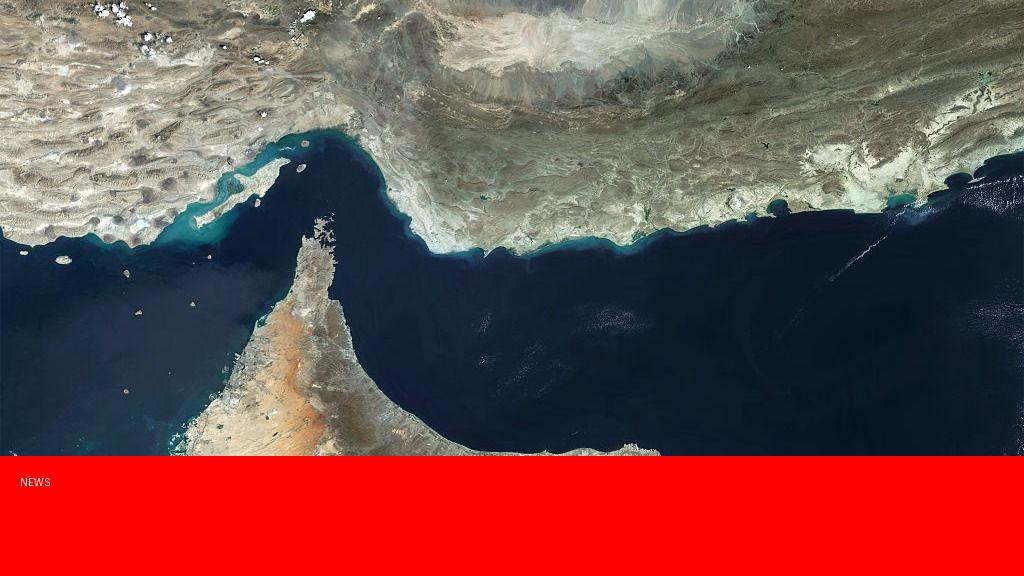
What happened
The Strait of Hormuz has emerged as a critical flashpoint in the ongoing tensions surrounding the Iran conflict. This narrow, strategically located waterway has become a focal area due to increased military activity, shipping disruptions, and heightened threats to oil transportation. Recent incidents involving naval confrontations and the seizure of commercial vessels have underscored the strait’s vulnerability and significance in the broader geopolitical struggle between Iran and other global powers.
Why it matters
The Strait of Hormuz is vital because it serves as a gateway for a substantial portion of the world’s oil supply—about 20% of global petroleum passes through this chokepoint daily. Any instability or threat to the free flow of oil through the strait could lead to skyrocketing energy prices worldwide, disrupting global markets and economies. Moreover, escalations in this narrow passage have the potential to ignite broader military conflicts, affecting international security and diplomatic relations across multiple regions.
Background
Located between the Persian Gulf and the Gulf of Oman, the Strait of Hormuz is one of the world’s most strategically important maritime corridors. It connects major oil-producing countries like Saudi Arabia, the United Arab Emirates, Kuwait, and Iran with global markets. Historically, the strait has been a hotspot for military confrontations and political tension, especially after the 1979 Iranian Revolution and during the Iran-Iraq War. In recent years, escalating US-Iran tensions and regional rivalries have intensified the stakes surrounding control and security in the strait.
Questions and Answers
Q: Why is the Strait of Hormuz so crucial for the global oil supply?
A: The strait is a narrow chokepoint through which approximately 20% of the world’s oil passes daily, making it essential for energy exports from key Middle Eastern producers to global markets.
Q: How has the Iran conflict affected security in the Strait of Hormuz?
A: The conflict has led to increased military patrols, incidents such as vessel seizures, and threats to commercial shipping, raising the risk of broader confrontations in this critical waterway.
Q: What could be the global consequences of a disruption in the Strait of Hormuz?
A: Disruptions could cause a sharp rise in oil prices, threaten global energy security, impact economies worldwide, and potentially trigger wider military conflicts.
Q: What steps have international players taken to keep the strait open?
A: Various countries, including the US and regional allies, have conducted naval patrols, engaged in diplomacy, and proposed security frameworks to ensure safe passage through the strait.
Q: Has the Strait of Hormuz been a center of conflict before?
A: Yes, it has historically been a flashpoint during events like the Iran-Iraq War and more recent US-Iran tensions, highlighting its ongoing strategic importance.
Source: https://www.bbc.com/news/articles/c78n6p09pzno?at_medium=RSS&at_campaign=rss