What happened
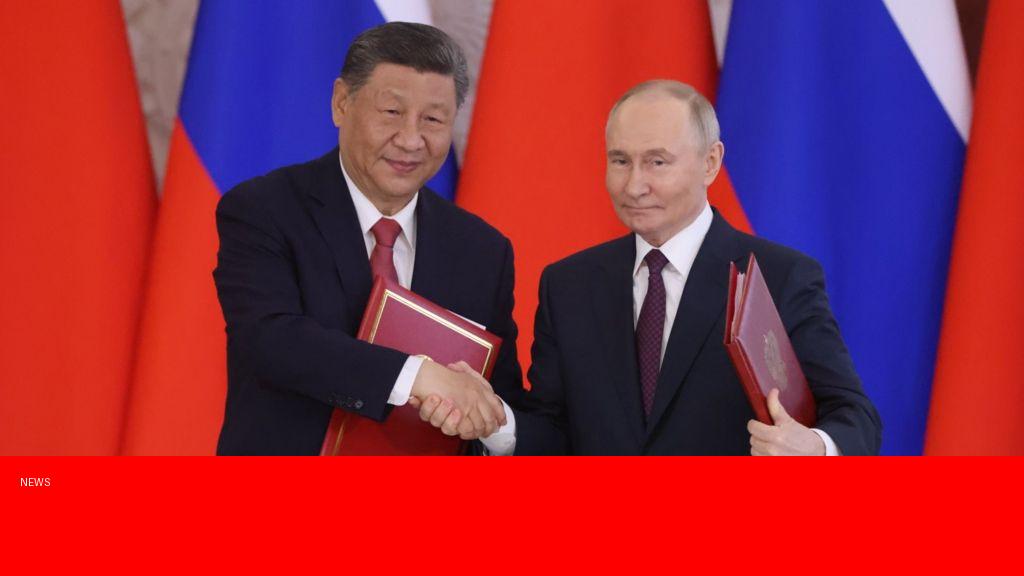
The BBC has released an in-depth analysis examining the complex relationship between Chinese President Xi Jinping and Russian President Vladimir Putin. The report breaks down the nuances of their partnership, exploring whether their alliance is rooted in genuine friendship or driven primarily by geopolitical strategy. It highlights recent meetings, joint statements, and cooperative initiatives between China and Russia, providing insight into how the two leaders interact on the world stage.
Why it matters
Understanding the nature of Xi and Putin’s relationship is crucial because it influences global power dynamics, international security, and economic alliances. If their partnership is motivated by shared geopolitical interests, it could signal more strategic alignment against Western influence, affecting diplomatic negotiations and regional stability. Conversely, if personal rapport plays a larger role, it could shape how flexible or resilient the alliance is amid global pressures. This analysis helps policymakers and global audiences anticipate potential shifts in international relations.
Background
China and Russia have historically had a complicated relationship, balancing rivalry with cooperation. Over recent years, their ties have strengthened amid shared opposition to U.S. dominance and mutual economic interests, including energy and military cooperation. Xi Jinping and Vladimir Putin have met multiple times to reinforce their partnership, often emphasizing a “no limits” friendship. However, skepticism remains about whether this alliance is based on ideology, strategic necessity, or personal affinity, especially as global tensions continue to rise.
Questions and Answers
Q: Are Xi and Putin truly close friends, or is their relationship mainly strategic?
A: The BBC analysis suggests their relationship is a blend of both. While there is a level of personal rapport and mutual respect, their alliance is strongly driven by geopolitical interests such as balancing Western influence and pursuing economic cooperation.
Q: How does this relationship affect global politics?
A: Their partnership impacts global politics by creating a bloc that challenges the West’s dominance in areas such as security, trade, and diplomacy, potentially leading to increased global polarization.
Q: What are some key areas where China and Russia cooperate?
A: Key cooperation areas include energy exports, military exercises, joint infrastructure projects, and coordinated positions on international forums like the United Nations.
Q: Could the relationship between Xi and Putin change in the future?
A: Yes. The relationship’s stability depends on shifting geopolitical interests, economic needs, and responses to global events. Personal dynamics between the leaders also play a role but are harder to predict.
Source: https://www.bbc.com/news/videos/ce9p1kyedy7o?at_medium=RSS&at_campaign=rss