What happened
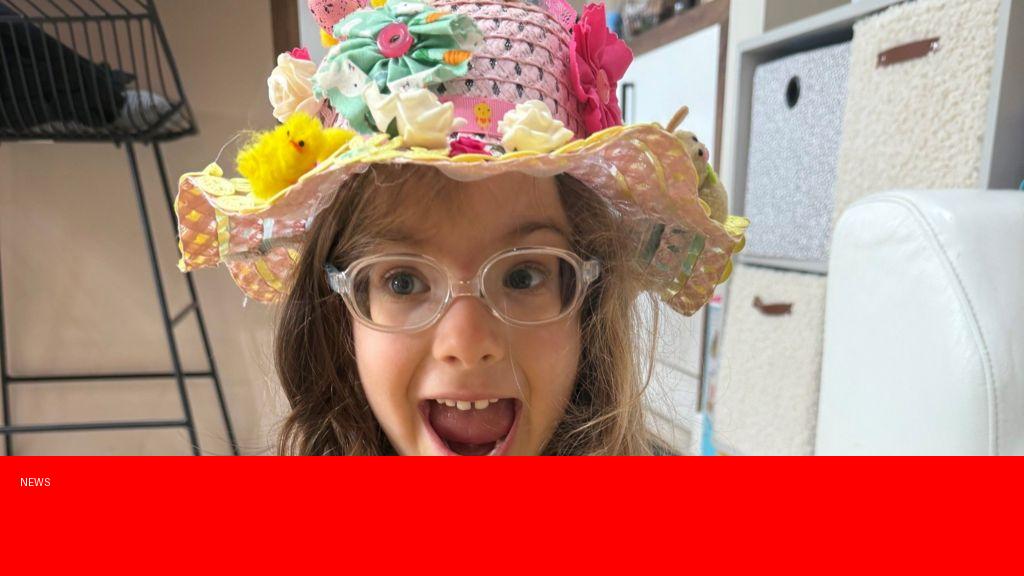
A six-year-old girl who had been nearly blind since birth has had her sight restored through a groundbreaking gene therapy treatment. The innovative procedure involved delivering a functional copy of a defective gene directly into the cells of her retina, allowing her to perceive light and shapes for the first time. Following the treatment, the girl was able to recognize faces and colors, marking a significant milestone in her visual development.
Why it matters
This breakthrough offers new hope to thousands of children and adults suffering from inherited retinal diseases that cause blindness or severe vision impairment. By correcting the underlying genetic defect, gene therapy can potentially provide a long-lasting restoration of vision, improving quality of life and reducing the need for lifelong assistive devices. The success of this case signals progress in the field of genetic medicine and may pave the way for wider application of similar treatments in the future.
Background
Inherited retinal diseases, such as Leber congenital amaurosis and retinitis pigmentosa, result from mutations in genes essential for normal vision. Traditionally, these conditions have been considered untreatable, with patients gradually losing their sight over time. Recent advances in gene therapy techniques have allowed scientists to develop methods for delivering healthy genes into retinal cells, aiming to halt or reverse vision loss. This particular case is part of a clinical trial evaluating the safety and efficacy of such treatments in young patients with severe visual impairment.
Questions and Answers
Q: What gene was targeted in the therapy?
A: The therapy targeted the RPE65 gene, which is crucial for the visual cycle in retinal cells.
Q: How soon after the treatment did the girl show improvement?
A: She began showing noticeable improvements in vision within weeks of receiving the gene therapy.
Q: Is this treatment available to the public now?
A: The therapy is currently approved in some regions but is still undergoing clinical trials in others to establish long-term safety and effectiveness.
Q: Are there any risks associated with the gene therapy?
A: Like all medical treatments, gene therapy carries some risks such as inflammation or immune reactions, but no serious adverse effects were reported in this case.
Q: Will the treatment work for all types of inherited blindness?
A: The treatment is specific to certain genetic mutations like RPE65; other forms of inherited blindness may require different gene therapies tailored to their unique causes.
Source: https://www.bbc.com/news/articles/ce35x8759zzo?at_medium=RSS&at_campaign=rss