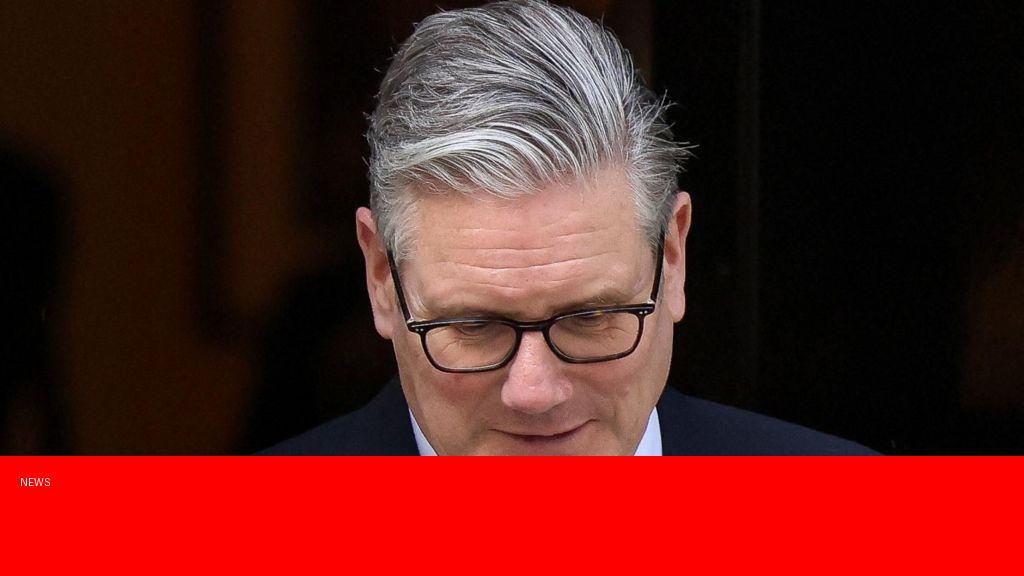
What happened
A recent analysis reveals that although there is visible discontent among some Labour MPs toward party leader Keir Starmer, they are not yet prepared to push for his removal. While frustrations regarding leadership direction and electoral performance have been voiced, the majority of MPs appear to be holding firm in their support, opting to address concerns internally rather than initiating any leadership challenge at this stage.
Why it matters
This situation is significant because it suggests that, despite internal dissatisfaction, the Labour Party maintains a level of cohesion and stability. Avoiding a leadership contest allows the party to focus on rebuilding public trust and preparing for upcoming elections without the disruption and division often caused by internal power struggles. The decision of MPs to refrain from ousting Starmer signals a strategic choice to prioritize unity and gradual progress over immediate changes in leadership.
Background
Keir Starmer has been the leader of the Labour Party since April 2020, aiming to reposition the party after consecutive electoral defeats. Although he has made some progress in improving Labour’s standing in opinion polls, sections of the parliamentary party remain critical of his approach, branding it as either too cautious or insufficiently transformative. Previous leadership challenges have destabilized the party in the past, making MPs wary of repeating such turmoil. The current dynamic reflects an ongoing balancing act between calls for change and the risk of internal discord.
Questions and Answers
Q: Why aren’t Labour MPs ready to oust Keir Starmer despite their unhappiness?
A: Most MPs view maintaining unity and avoiding the disruption of a leadership contest as more beneficial than forcing a change at the current moment, especially with elections approaching.
Q: What are the main grievances Labour MPs have with Starmer’s leadership?
A: Criticisms focus primarily on his cautious leadership style, perceived lack of bold policy initiatives, and slower-than-expected progress in regaining voter support.
Q: Could this sentiment change ahead of future elections?
A: Yes, if Labour’s electoral prospects do not improve or if internal frustrations grow, pressure on Starmer to step down may increase among MPs.
Q: How does this internal Labour dynamic impact the broader UK political landscape?
A: Stability within Labour avoids internal conflicts that could weaken the party’s position, thereby influencing electoral strategies and opposition effectiveness against the ruling government.
Source: https://www.bbc.com/news/articles/c78lp5jw8yxo?at_medium=RSS&at_campaign=rss