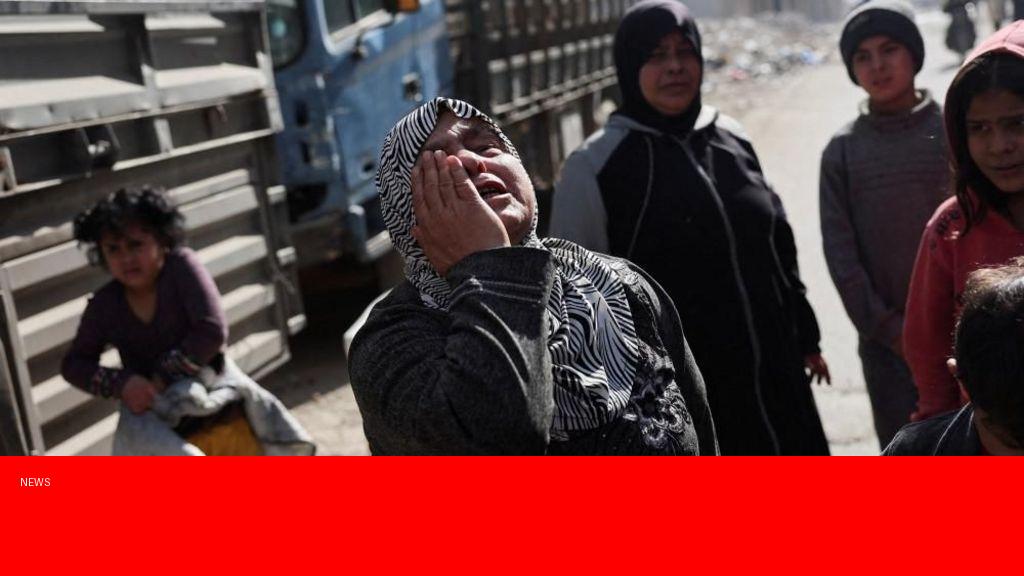
What happened
Syrian authorities have arrested a key suspect linked to the Tadamon massacre, one of the most notorious atrocities committed during the country’s protracted civil war. The suspect, identified as a former member of a pro-government militia, was taken into custody after a prolonged investigation. The Tadamon massacre involved the summary execution and disappearance of dozens of civilians in the Damascus district of Tadamon in 2013. The arrest marks a significant development in efforts to seek accountability for war crimes committed during the conflict.
Why it matters
The apprehension of this key suspect is a crucial step toward justice for the victims and their families, many of whom have been waiting over a decade for accountability. It also signals a potential shift in the Syrian government’s stance on addressing past abuses. Given the complex web of alliances and ongoing political tensions, such an arrest could influence international perceptions about Syria’s commitment to transitional justice. Furthermore, it may encourage other investigations into war crimes and impact future reconciliation efforts within the country.
Background
The Syrian civil war, which began in 2011, has been marked by widespread violence, including numerous documented massacres with significant civilian casualties. The Tadamon massacre occurred in April 2013, when hundreds of individuals suspected of opposing the Assad regime were reportedly captured, tortured, and executed extrajudicially in a Damascus neighborhood. The brutality of the massacre was later exposed through leaked videos and investigations, sparking condemnation from human rights organizations worldwide. Despite persistent calls for accountability, bringing perpetrators to justice has been challenging due to ongoing conflict and political complexities.
Questions and Answers
Q: Who is the suspect arrested in connection with the Tadamon massacre?
A: The suspect is a former member of a pro-government militia believed to have directly participated in the abductions and executions during the Tadamon massacre in 2013.
Q: How was the suspect identified and apprehended?
A: The suspect was identified through extensive investigations involving witness testimonies, leaked footage, and intelligence gathering. He was arrested by Syrian security forces after months of surveillance.
Q: What charges will the suspect face?
A: While official charges have not yet been publicly disclosed, the suspect is expected to face accusations related to war crimes, including unlawful detention, torture, and extrajudicial killings.
Q: What impact might this arrest have on the broader Syrian reconciliation process?
A: The arrest could pave the way for further accountability measures and contribute to reconciliation by addressing grievances surrounding past atrocities. However, it remains to be seen how this will unfold amid ongoing political tensions.
Q: How have international organizations reacted to the arrest?
A: Human rights groups have cautiously welcomed the arrest as a positive step toward justice but have emphasized the need for transparent, thorough investigations and fair trials to ensure genuine accountability.
Source: https://www.bbc.com/news/articles/cvglxgq1p2jo?at_medium=RSS&at_campaign=rss