What happened
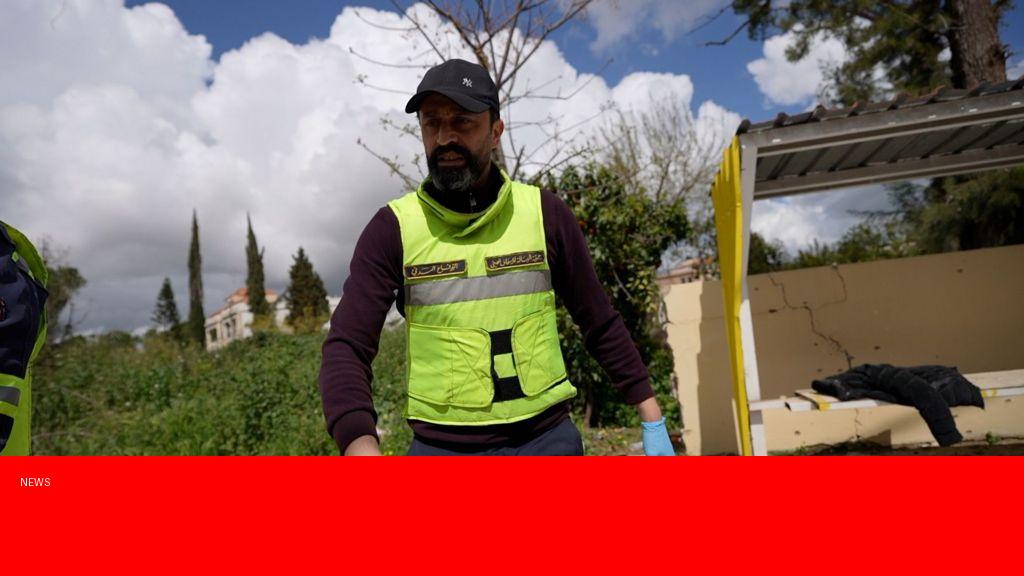
Three paramedics were killed in successive Israeli airstrikes in southern Lebanon, according to Lebanese officials. The strikes targeted areas near the border with Israel, hitting emergency service vehicles and personnel responding to the attacks. The paramedics were providing aid to wounded civilians when they were struck, resulting in their deaths and raising concerns over the safety of medical responders in conflict zones.
Why it matters
The deaths of the paramedics highlight the escalating violence and the increasing risks faced by humanitarian workers during the ongoing conflict between Israel and Hezbollah forces in Lebanon. These attacks underscore the challenges of protecting non-combatants and emergency personnel in active warzones. International observers and human rights organizations have expressed alarm, as such incidents can exacerbate tensions and undermine efforts to deliver essential medical aid to affected populations.
Background
Tensions between Israel and Lebanon, particularly with Hezbollah, have intensified in recent weeks following exchanges of rocket fire and Israeli airstrikes in southern Lebanon. Israel cites security concerns over cross-border attacks and weapons smuggling, while Lebanese authorities condemn the strikes as violations of sovereignty and dangerous escalations. The region has witnessed repeated cycles of violence, with civilian casualties on both sides, complicating diplomatic efforts for a ceasefire and peace negotiations.
Questions and Answers
Q: How did the paramedics die in the Israeli strikes?
A: They were killed when Israeli airstrikes targeted emergency vehicles and personnel responding to earlier attacks in southern Lebanon.
Q: What has been the response from Lebanese officials?
A: Lebanese officials have condemned the strikes, emphasizing the targeting of medical personnel as a grave breach of international law and calling for international intervention.
Q: Has Israel commented on the incident?
A: Israel has stated that its airstrikes are aimed at military targets and that it seeks to avoid civilian casualties, but has not specifically addressed the deaths of the paramedics.
Q: What risks do medical workers face in conflict zones like this?
A: Medical workers often operate in dangerous environments, facing risks from crossfire, targeted attacks, and limited access to safe zones, which hampers humanitarian aid efforts.
Q: Could this incident affect future peace efforts?
A: Yes, the killing of medical personnel could deepen hostilities, provoke retaliatory actions, and complicate negotiations aimed at de-escalation and ceasefire agreements.
Source: https://www.bbc.com/news/articles/cgqkkxd09e2o?at_medium=RSS&at_campaign=rss