What happened
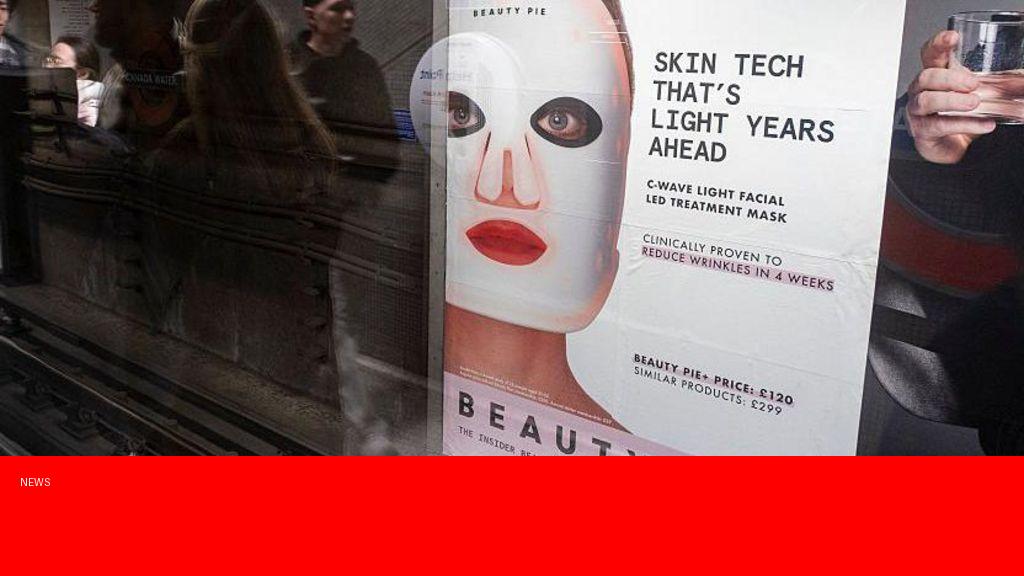
The UK Advertising Standards Authority (ASA) has banned an advertisement for Beauty Pie’s LED mask due to misleading claims about its anti-wrinkle benefits. The ad suggested that using the LED mask could reduce wrinkles, but the ASA found insufficient scientific evidence to support these claims. As a result, the advertisement must no longer appear in its current form.
Why it matters
This ruling highlights the importance of truthful advertising, especially in the beauty and skincare industry where consumers often seek effective anti-aging solutions. Misleading claims can lead customers to spend money on products based on false expectations, potentially harming trust in brands and the industry as a whole. The ASA’s intervention helps protect consumers from deceptive marketing and encourages companies to substantiate their product claims with credible evidence.
Background
Beauty Pie is a membership-based beauty retailer that offers luxury skincare products at discounted prices. Their LED mask uses light therapy technology, which some scientific studies suggest might offer skin benefits, though the evidence remains inconclusive. The company promoted the mask as an effective treatment for reducing wrinkles, but complaints and subsequent ASA investigations found that these claims lacked robust clinical proof. The ASA frequently reviews ads in the cosmetic sector to ensure compliance with advertising codes, particularly regarding claims about health and aging.
Questions and Answers
Q: What specific claim did the Beauty Pie LED mask advertisement make?
A: The advertisement claimed that the LED mask could reduce wrinkles and deliver anti-aging benefits.
Q: Why did the ASA ban the advertisement?
A: The ASA banned the ad because there was not enough scientific evidence to support the anti-wrinkle claims made by Beauty Pie.
Q: What is the role of the ASA in regulating advertisements?
A: The ASA regulates advertisements to ensure they are legal, decent, honest, and truthful, protecting consumers from misleading or unsubstantiated claims.
Q: How might this ruling affect other companies in the beauty industry?
A: The ruling serves as a warning for companies to provide credible scientific backing for any health or anti-aging claims in their advertising, promoting more transparency and accuracy across the industry.
Source: https://www.bbc.com/news/articles/c892lj7xn02o?at_medium=RSS&at_campaign=rss